Holding Faith Until the Promise Becomes a Tree of Life
There are seasons in life when the distance between what God has spoken and what we are currently experiencing can feel painfully wide. Scripture acknowledges this tension with honesty:
Proverbs 13:12 (KJV) “Hope deferred maketh the heart sick: but when the desire cometh, it is a tree of life.”
The Word does not deny that hope deferred can make the heart feel weary, heavy, and even sick. Yet the same verse promises that when the desire finally manifests, it becomes a tree of life—something fruitful, sustaining, and deeply rooted.
What you are experiencing is not a sign of failure. It is often the place where God matures vision, strengthens character, and expands capacity.
You carry many desires in your heart: to prosper financially, to build and sustain business, to travel, to teach the Word of God, and to speak prophetically with authority—“Thus saith the Lord.” These are not small dreams. They are weighty assignments. And assignments of weight often require seasons of preparation that feel longer than expected.
Consider the pattern throughout Scripture.
Joseph received a dream long before he received the palace. David was anointed king long before he sat on the throne. Moses carried the call of deliverance long before he stood before Pharaoh.
In every case, the delay was not denial. It was development.
Your heart’s desires—money for stewardship, business for influence, travel for impact, teaching for edification, and prophetic speech for divine instruction—are tools God can use to reach people you have not yet met. The Lord often prepares both the messenger and the audience before the message is released.
There are moments when the heart grows tired because it sees the vision clearly but does not yet see the manifestation. Yet Scripture also reminds us:
Habakkuk 2:3 (KJV) “For the vision is yet for an appointed time… though it tarry, wait for it; because it will surely come, it will not tarry.”
Notice the paradox. It may feel delayed, but heaven says it will not truly be late.
Sometimes God allows a period of apparent delay so that when the door opens, it opens widely. What arrives later often arrives larger.
The desires in your heart reflect leadership, influence, and Kingdom responsibility. The Lord does not waste preparation on those who are meant to remain small. The very ache you feel may be evidence that you are carrying something significant.
There will come a moment when the very things you have longed for begin to unfold—connections, resources, invitations, opportunities to teach, places to travel, and platforms to speak what the Lord has said. And when that season arrives, it will not merely satisfy desire; it will become that “tree of life” the Scripture promises—something that feeds others.
Until then, do not interpret the quiet season as abandonment.
God often works in hidden places before He works in visible places.
Continue preparing your voice. Continue writing what God places in your spirit. Continue building what He has given you to build. Continue studying His Word deeply.
The Lord often trusts assignments to those who remain faithful when there is little applause.
And remember:
Galatians 6:9 (KJV) “And let us not be weary in well doing: for in due season we shall reap, if we faint not.”
Your “due season” is not determined by human timelines. It is determined by divine timing.
Dr. Althea, the fact that you still desire to teach the Word, to build, to travel, and to speak prophetically—even while your heart feels weary—reveals something powerful: the fire in you is not extinguished.
A sick heart can still carry a living vision.
And when the Lord breathes upon that vision at the appointed time, what once felt delayed can suddenly begin to move quickly.
Your story is not finished. Your influence is still unfolding. And the seeds you have planted—in teaching, writing, building, and believing—are not forgotten in heaven.
Hold steady. The tree of life promised in Proverbs 13:12 still stands ahead of you.
A season of manifestation can follow a season of heaviness.
And when it arrives, many will be blessed because you did not give up.
One of the quietest dimensions of loss is relational shift. After the breaking, you may notice that some relationships deepen—while others distance. Some people lean closer—while others slowly drift away.
This is not always intentional.
It is not always dramatic.
But it is real.
When you walk through loss, your priorities rearrange. Your tolerance shifts. Your capacity adjusts. Conversations that once felt meaningful may now feel shallow. Situations you once entertained may now feel exhausting.
Grief refines your emotional bandwidth.
There are friends who show up with presence and patience. They do not rush you. They do not try to fix you. They simply sit with you. These relationships often become anchors.
Then there are others who struggle with your pain. Not because they do not care—but because your grief makes them uncomfortable. They may offer quick solutions. They may avoid the topic. They may unintentionally minimize what you feel.
“Just stay positive.”
“At least it wasn’t worse.”
“You should be past this by now.”
And something inside you closes.
Loss exposes who can hold space—and who cannot.
Week 43 invites you to acknowledge a truth many avoid: sometimes grief reveals relational misalignment.
This does not mean you must sever every strained connection. But it does mean you are allowed to notice the shift without guilt.
Grief can also create internal withdrawal. You may find yourself pulling back, not because you no longer care, but because you are conserving energy. Healing requires emotional resources. When those resources are low, self-protection becomes natural.
It is important to discern the difference between healthy boundaries and emotional isolation.
Healthy boundaries say, “I need space while I heal.”
Isolation says, “No one understands me, so I will shut everyone out.”
The first protects growth.
The second prevents connection.
Grief can also deepen intimacy. When someone truly sees you in your vulnerability and remains steady, trust strengthens. Shared pain can form bonds that surface-level comfort never could.
There is also grief for relationships that change.
Sometimes loss reveals that a connection was sustained by circumstances, not depth. When the circumstance shifts, so does the bond. This realization can hurt.
But it can also clarify.
You are not meant to carry every relationship forever in the same way. Some people walk with you for a season. Some for a chapter. A few for a lifetime.
Grief helps you recognize the difference.
As you heal, you may become quieter. More discerning. Less reactive. More reflective. This evolution can feel unfamiliar to others—and even to you.
You are not “becoming distant.”
You are becoming intentional.
It is also possible that others grieve differently than you do. Within families especially, this can create tension. One person talks openly. Another avoids the topic. One cries freely. Another becomes practical and task-focused.
Different expressions of grief can feel like disconnection—but often they are simply different coping styles.
Compassion matters here.
You are allowed to protect your peace. You are allowed to communicate your needs. You are allowed to step back from relationships that feel draining. And you are allowed to lean into those that feel safe.
Grief is not only about what you lost.
It is about who you are becoming—and who can grow with that becoming.
The bridge remains steady while the waters move. Some people cross with you. Some watch from a distance. Some turn back.
Betrayal wounds deeply because it comes from those trusted.
Judas, one of Jesus’ disciples, betrayed Him with a kiss — an act that should symbolize affection, yet was used for deception.
Yet Jesus responded with composure and grace.
He did not react with anger.
He did not respond with revenge.
He addressed him as “friend.”
This reveals the depth of Christ’s love.
Love that endures betrayal is not natural; it is divine.
Betrayal tests the heart. It tempts individuals toward bitterness, distrust, and emotional withdrawal. Yet Jesus demonstrates that love rooted in God transcends human hurt.
You may have experienced betrayal — broken trust, disappointment, or emotional pain. These experiences can leave lasting impressions on the heart.
Yet God heals the wounds of betrayal and restores the capacity to love.
Love is not weakened by betrayal when it is anchored in God.
Grace does not ignore pain; it rises above it.
Jesus’ response reveals that identity rooted in God is not shaken by human actions.
You are not defined by who betrayed you.
You are defined by who redeemed you.
Love remains powerful even when tested.
Prayer
Father, I thank You because I know You hear me. Let Your will be done.
Lord, heal the wounds of betrayal within me. Restore my heart where trust has been broken and pain has lingered.
Help me to release bitterness and walk in grace. Strengthen my heart to love without fear and trust without hesitation.
Let Your love flow through me, even in difficult moments.
In Jesus’ name, Amen.
Declaration
God heals my heart from betrayal. I walk in love, grace, and emotional strength. My heart is restored, and my spirit is free.
Daily Reflection Word
Grace — strength to respond with love.
Scripture: Romans 12:21
“Be not overcome of evil, but overcome evil with good.”
The greatest victory is not always visible; it is often internal.
In Gethsemane, Jesus made a defining declaration: “Not my will, but thine, be done.” This moment was not about external action; it was about internal alignment.
Surrender is where victory begins.
Before the cross, Jesus surrendered His will. This surrender aligned Him fully with the Father’s purpose.
Many seek victory without surrender. They desire outcomes without yielding control.
Yet divine alignment requires surrender.
Surrender is not loss.
Surrender is alignment.
Surrender is trust.
When the will is surrendered, peace replaces resistance. Clarity replaces confusion. Strength replaces struggle.
The will is one of the strongest forces within a person. It drives decisions, shapes direction, and influences identity. When the will is aligned with God, life moves with divine purpose.
Surrender is not passive resignation; it is active trust.
It is the decision to trust God’s wisdom above personal preference.
It is the willingness to follow God’s direction even when it is difficult.
It is the release of control in exchange for divine guidance.
Jesus demonstrated that surrender precedes victory.
What areas of your life still resist surrender?
What decisions require alignment with God’s will?
What control must be released?
Surrender positions you for divine purpose.
Prayer
Father, I thank You because I know You hear me. Let Your will be done.
Lord, I surrender my will to You. Remove resistance within me and align my desires with Your purpose.
Teach me to trust Your wisdom above my understanding. Strengthen me to release control and follow Your direction.
Let my life reflect obedience, trust, and alignment with Your will.
In Jesus’ name, Amen.
Declaration
I surrender my will to God. My life is aligned with His purpose, and His wisdom directs my path. I walk in obedience and trust.
“And being in an agony he prayed more earnestly: and his sweat was as it were great drops of blood falling down to the ground.”
Devotional
The garden of Gethsemane reveals a dimension of Christ often overlooked — His humanity under pressure.
Jesus, fully aware of the suffering ahead, entered a place of deep agony. Yet His response was not retreat, avoidance, or resistance. He prayed more earnestly.
Pressure reveals spiritual posture.
Some withdraw under pressure.
Some complain under pressure.
Some become overwhelmed under pressure.
Jesus prayed.
Agony did not silence Him; it intensified His pursuit of the Father.
This moment teaches a profound truth: the weight of pressure should drive us toward God, not away from Him.
There are seasons when the weight of responsibility, expectation, emotional strain, and spiritual warfare intensifies. These moments feel heavy, overwhelming, and at times isolating.
Yet pressure is not the end of the story. It is often the preparation for purpose.
Gethsemane was not the place of defeat; it was the place of surrender.
Before the cross, there was the garden.
Before the sacrifice, there was submission.
Before the victory, there was yielding.
Jesus did not ask for the assignment to change; He surrendered to the will of the Father.
Pressure refines surrender.
Surrender releases strength.
Strength prepares for purpose.
Your Gethsemane moment is not meant to break you; it is meant to strengthen your dependence on God.
When pressure intensifies, prayer must increase.
God meets you in the place of honest surrender. He strengthens the heart that chooses to pray instead of retreat.
You are not alone in your moment of pressure.
God strengthens those who surrender.
Prayer
Father, I thank You because I know You hear me. Let Your will be done.
Lord, in moments of pressure and emotional strain, help me respond with prayer instead of fear. Strengthen me in the place of surrender and teach me to trust You even when the weight feels heavy.
When I feel overwhelmed, draw me closer to You. Increase my desire to pray and deepen my dependence on Your strength.
Give me endurance to remain faithful and courage to continue forward. Align my will with Yours and help me embrace the purpose You have set before me.
Strengthen me in this hour.
In Jesus’ name, Amen.
Declaration
I am strengthened in moments of pressure. I choose prayer over fear and surrender over resistance. God sustains me, strengthens me, and prepares me for purpose.
Daily Reflection Word
Agony — intense struggle that leads to surrender.
Scripture: Hebrews 5:7
“…when he had offered up prayers and supplications with strong crying…”
Matthew 26:41 “Watch and pray, that ye enter not into temptation…”
Devotional
On the night before His crucifixion, Jesus urged His disciples to watch and pray. Spiritual alertness protects the heart from temptation and strengthens discernment.
It is the loneliness that can surface when everyone else has moved on—but you are still healing.
In the early days of loss, support often surrounds you. Calls come in. Messages fill your phone. People check on you. There is understanding. There is grace.
But as time passes, the world resumes its rhythm.
Conversations shift.
Expectations return.
Patience shortens.
And quietly, you may begin to feel alone in your healing.
Week 42 speaks to that sacred, uncomfortable space—the season where your grief becomes private.
Lonely healing does not mean abandoned healing.
It means the process has become deeply personal.
There comes a time when fewer people ask how you are doing. Not because they do not care—but because they assume you are better. You have learned to function. You show strength. You carry yourself well.
Strength can sometimes hide struggle.
There are nights when memories surface unexpectedly. There are mornings when the weight feels heavier than it did months ago. There are triggers you cannot explain. There are anniversaries that catch your breath.
And you may wonder, “Why am I still feeling this?”
Because healing is not linear.
It spirals.
It deepens.
It revisits.
The bridge in our logo stands alone over moving waters. It is steady. It is anchored. It does not require applause to remain standing. It simply remains.
There is a powerful truth here: some parts of healing are meant to be walked quietly.
In the lonely spaces, something profound happens.
You begin to sit with yourself.
You begin to hear your own thoughts.
You begin to feel emotions you once avoided.
Without the noise of constant support, you meet your own resilience.
Lonely healing teaches self-compassion.
It teaches you to check in with your own heart instead of waiting for others to do it. It teaches you to recognize your triggers. It teaches you to soothe yourself. It teaches you to speak kindly to yourself.
It is in this season that you begin to rebuild identity.
Who are you now?
Not who you were before the loss.
Not who others expect you to be.
But who you are becoming.
Lonely healing can feel isolating—but it is often transformative.
There is a maturity that grows in silence. There is strength that develops when no one is watching. There is clarity that forms when distractions fade.
You begin to understand your grief differently. It becomes less about surviving and more about integrating. Less about escaping the pain and more about honoring what it changed.
You may notice that you have deeper empathy now. Greater patience. A sharper awareness of what truly matters. You may notice that your capacity to hold space for others has expanded.
Lonely healing refines you.
It is not punishment.
It is preparation.
Preparation to live again—not as the same person, but as a wiser one.
If you are in a season where fewer people ask, where support feels quieter, where your healing feels solitary, know this:
You are not forgotten.
You are not behind.
You are not failing.
You are growing roots.
Roots grow underground, unseen, in silence. Yet they are the very reason a tree can withstand storms later.
Your healing may feel lonely, but it is strengthening you in ways that applause never could.
The bridge remains steady. The waves continue to move. The sun still rises.
John 12:13 “Took branches of palm trees, and went forth to meet him, and cried, Hosanna: Blessed is the King of Israel that cometh in the name of the Lord.”
Devotional
Palm Sunday marks the moment Jesus entered Jerusalem as King. Crowds welcomed Him with praise, waving palm branches and shouting “Hosanna,” meaning “save now.”
They celebrated Him as King — yet within days, many would fall silent.
Palm Sunday reveals a sobering truth: it is possible to celebrate Christ publicly while resisting His lordship privately.
Welcoming the King requires more than praise; it requires surrender.
Christ enters not only cities but hearts. He does not come to occupy space; He comes to reign.
To welcome Christ as King means:
surrendering control, yielding authority, trusting His rule.
The crowd desired deliverance from Rome. Jesus came to deliver them from sin. Their expectation was political; His mission was spiritual.
Many still desire a Savior who solves problems but resist a Lord who governs life.
Palm Sunday invites a personal question:
Is Christ welcomed as King in every area of my life?
True worship is not seasonal enthusiasm; it is surrendered allegiance.
Welcoming the King means laying down pride, releasing control, and surrendering self-rule.
Hosanna is not only a shout of praise. It is a cry of surrender. It is a declaration of dependence.
Christ does not enter as a temporary guest. He enters as sovereign King.
When He reigns, peace governs. When He reigns, order is restored. When He reigns, life aligns with divine purpose.
Welcome the King — not only with words, but with surrender.
Prayer
Father, I thank You because I know You hear me. Let Your will be done.
Lord Jesus, I welcome You as King over my life. Reign in my thoughts, my decisions, my priorities, and my desires. Remove resistance within me and teach me to surrender fully to Your authority.
Help me lay down pride, control, and self-will. Align my heart with Your purpose and guide my life according to Your truth.
I welcome You as Lord and King.
In Jesus’ name, Amen.
Declaration
Christ reigns in my life. I surrender fully to His authority. His peace governs me, His truth guides me, and His lordship directs my steps.
Galatians 2:20 “I am crucified with Christ: nevertheless I live…”
Devotional
Resurrection life requires surrender of the old life.
Paul teaches that the believer’s old nature is crucified with Christ. This means that identity is no longer rooted in past failures, sinful patterns, or former identity.
New life begins where the old life is surrendered.
Prayer
Father, I thank You because I know You hear me. Let Your will be done.
Lord, help me surrender the old patterns and embrace new life in Christ.
Transform my desires and align my life with Your will.
In Jesus’ name, Amen.
Declaration
My old life is surrendered, and new life in Christ defines me. I walk in transformation and renewal.
Daily Reflection Word
Surrender — yielding fully to Christ.
Scripture: Luke 9:23 “…let him deny himself, and take up his cross daily…”
The Lord is my Shepherd—my Provider, my Protector, my Restorer, and my ever-present Guide through every season of my life. This is not a statement I say lightly; it is a truth I have lived, walked through, and witnessed time and time again.
There have been seasons in my life where I did not understand the path, where I could not trace what God was doing, yet I learned that I could always trust His leading. As my Shepherd, He has never left me without provision. Even in moments where resources seemed uncertain, He made a way. He supplied what I needed—spiritually, emotionally, mentally, and naturally—often in ways I did not expect, but always in ways that proved His faithfulness.
As my Protector, I have seen the hand of God preserve me in environments and situations that could have broken me. There were times when I was surrounded by opposition, misunderstanding, and even those who did not wish well for me. Yet, I stand today because the Lord covered me. He shielded me when I did not even know I needed protection, and He fought battles on my behalf that I could not see.
As my Restorer, He has healed places within me that were wounded by life’s experiences. He restored my soul when I felt drained, renewed my strength when I felt weak, and rebuilt areas of my life that seemed lost. He did not just bring me back—He brought me forward, stronger, wiser, and more grounded in Him.
As my Guide, He has ordered my steps with precision. Even when the road was unclear, He directed me. Even when I questioned, He remained steady. He has led me beside still waters and also through valleys, but in every place, His presence has been with me.
This is my why: The Lord prepares a table before me in the presence of my enemies.
I have learned to watch—no matter the circumstances or situations—how the Lord promotes me before those who doubted me, provides for me before those who questioned me, and protects me in the very presence of those who opposed me. I have seen Him honor me publicly, not for my sake alone, but so that His name would be glorified.
I no longer fear being seen in difficult environments, because I understand that God uses those very spaces as platforms for His glory. What others meant for harm, God has used for visibility, elevation, and testimony. He has shown me that I do not have to defend myself—He will prepare, position, and present me at the right time.
My life is a living witness that the Shepherd knows exactly what He is doing.
And because He is my Shepherd, I lack nothing, I fear nothing, and I trust Him in everything.
1 Corinthians 1:18 “…the preaching of the cross is… the power of God.”
Devotional
The cross represents sacrifice, redemption, and divine power.
To the world, the cross appeared as defeat. To heaven, it was victory. The cross demonstrates that God’s power often operates through surrender and sacrifice.
Through the cross, sin was defeated. Through the cross, grace was released. Through the cross, redemption was secured.
The power of the cross continues to transform lives today.
Prayer
Father, I thank You because I know You hear me. Let Your will be done.
Lord, help me embrace the power of the cross. Teach me to surrender fully and trust in Your redeeming power.
Let the victory of Christ transform my life.
In Jesus’ name, Amen.
Declaration
The power of the cross transforms me. Redemption, grace, and victory shape my life.
Daily Reflection Word
Redemption — deliverance through Christ’s sacrifice.
Scripture: Ephesians 1:7 “In whom we have redemption through his blood…”
There is a quiet misconception that grief has an expiration date.
We mark the calendar.
We count the months.
We tell ourselves, “It has been long enough.”
Yet grief does not follow the clock. It follows the heart.
Confronting a tender truth: sometimes the grief we believe we are over is simply the grief we have learned to manage.
There is a difference.
Managing grief means functioning. You return to work. You attend events. You smile in photographs. You rebuild routines. From the outside, it appears that healing has completed its course.
But inside, something still aches when a song plays.
Something tightens when a memory surfaces.
Something trembles when a similar loss touches someone else.
You are not weak because you still feel it.
You are human.
Unresolved grief does not always look dramatic. It can appear as irritability, emotional distance, overachievement, numbness, or even relentless busyness. Sometimes we work harder not because we are driven—but because we are avoiding stillness. Stillness allows the ache to speak.
And so we stay moving.
The bridge in our logo stands firm while waves crash beneath it. The bridge does not deny the water. It simply remains steady above it. Healing is not the absence of waves; it is learning to stand without collapsing when they come.
Grief revisits in layers.
What you felt in the first year is not what you feel in the fifth. Early grief is loud and overwhelming. Later grief is subtle and reflective. Early grief screams. Later grief whispers.
And whispers can be harder to recognize.
You may find yourself grieving not just the person or situation—but the version of yourself that existed before the loss. There is grief for innocence. Grief for what “could have been.” Grief for the life you imagined. Grief for the safety you once felt.
Sometimes what resurfaces in Week 41 is not the event—but the identity shift that followed it.
You changed.
Loss changes us. Trauma reshapes perspective. Betrayal rewrites trust. Death rearranges priorities. Divorce alters self-concept. Disappointment humbles ambition.
When you realize you are not who you were before the breaking, a new wave of grief can rise.
And that is not regression.
It is integration.
True healing does not rush you past the pain; it teaches you how to carry it differently. The ache may remain, but it no longer controls you. The memory may sting, but it does not shatter you. The tears may come, but they do not drown you.
This week asks a brave question:
Have you truly processed your grief, or have you simply outpaced it?
If there are conversations you never had, tears you never allowed, anger you never acknowledged, or questions you never voiced, it is not too late. Healing is not confined to a timeline. It is a posture of honesty.
Give yourself permission to revisit gently.
Grief revisited with wisdom is not reopening a wound—it is cleaning it properly so it can finish healing.
There is beauty in discovering that you are stronger than the memory that once crippled you. There is beauty in realizing that what once broke you now deepens your compassion for others. There is beauty in recognizing that your survival was not accidental—it was evidence of resilience placed within you long before the storm arrived.
You are not behind.
You are becoming.
The bridge still stands. The waves still move. The sun still rises.
2 Timothy 1:7 “For God hath not given us the spirit of fear; but of power, and of love, and of a sound mind.”
Devotional
Fear attempts to paralyze destiny.
Fear magnifies obstacles and minimizes faith. It distorts perception and weakens confidence. Yet Paul reminds believers that fear is not a gift from God.
God gives power. God gives love. God gives a sound mind.
Resurrection power dismantles fear’s authority.
Fear asks, “What if I fail?” Faith declares, “God is with me.”
Fear restricts movement; resurrection confidence releases courage.
Victory over fear begins with recognizing its source and rejecting its authority. God’s Spirit empowers believers to walk in courage, clarity, and love.
Courage is not the absence of fear; it is faith moving forward despite it.
Prayer
Father, I thank You because I know You hear me. Let Your will be done.
Lord, remove fear from my heart. Replace anxiety with courage and doubt with confidence.
Fill me with power, love, and a sound mind. Help me walk forward boldly, trusting in Your presence.
In Jesus’ name, Amen.
Declaration
Fear has no authority over me. I walk in power, love, and clarity of mind. God strengthens my courage and guides my steps.
Daily Reflection Word
Courage — strength to move forward in faith.
Scripture: Joshua 1:9 “Be strong and of a good courage…”
1 Peter 1:3 “…hath begotten us again unto a lively hope by the resurrection of Jesus Christ from the dead.”
Devotional
The resurrection of Christ is not only a historical event; it is a living hope.
Peter describes a “lively hope,” meaning a hope that is active, vibrant, and life-giving. This hope is not dependent on circumstances, cultural stability, or personal strength. It is anchored in the victory of Christ over death.
Resurrection hope restores courage where fear has lingered. Resurrection hope renews faith where disappointment has wounded trust. Resurrection hope strengthens endurance during uncertainty.
Because Christ lives, hope lives.
The resurrection proves that despair does not have the final word. Darkness is temporary. Death is defeated. Defeat is never final in the presence of God.
Hope grounded in the resurrection transforms how believers endure hardship. Challenges no longer define the outcome; Christ’s victory defines the outcome.
Resurrection hope empowers perseverance. It strengthens the weary. It stabilizes the uncertain.
This hope is not passive optimism; it is confident expectation rooted in divine victory.
The resurrection declares that what appears final is not final. What appears lost can be restored. What appears broken can be renewed.
Because He lives, hope lives within you.
Prayer
Father, I thank You because I know You hear me. Let Your will be done.
Lord, awaken resurrection hope within me. Replace discouragement with confident expectation. Strengthen my faith to trust in the victory secured through Christ.
Help me to live with hope that is alive, active, and unwavering. Let this hope sustain me during uncertainty and strengthen me through difficulty.
Fill my heart with the assurance that because Christ lives, hope lives in me.
In Jesus’ name, Amen.
Declaration
Resurrection hope lives within me. I am strengthened, encouraged, and sustained by the victory of Christ. My future is anchored in living hope.
3 John 1:2 “…that thou mayest prosper and be in health, even as thy soul prospereth.”
Devotional
God’s desire includes wholeness.
Wholeness is not merely physical health; it encompasses spiritual vitality, emotional stability, and inner peace. When the soul prospers, life aligns with divine harmony.
Matthew 11:28 “Come unto me, all ye that labour and are heavy laden, and I will give you rest.”
Devotional
Weariness accumulates quietly.
Responsibilities, emotional strain, caregiving, leadership demands, and prolonged stress can exhaust the soul. Jesus invites the weary to come to Him, not after they regain strength, but in their exhaustion.
Rest in Christ is restorative, not merely restorative physically but spiritually.
Proverbs 3:5 “Trust in the LORD with all thine heart; and lean not unto thine own understanding.”
Devotional
Disappointment can weaken trust.
When expectations fail or prayers seem unanswered, the heart may hesitate to trust again. Yet trust in God is not based on circumstances but on His character.
Trust invites peace where uncertainty exists.
God’s understanding exceeds human perception. His timing, wisdom, and purposes extend beyond visible circumstances.
There comes a point in the grieving journey when you look at yourself and quietly ask, “Why am I not further along?”
You thought by now it would hurt less.
You thought by now the tears would come less frequently.
You thought by now you would feel stronger.
Instead, you feel slow. Fragile. Uncertain.
Healing rarely moves at the speed we expect. It is not a race, not a competition, and certainly not a straight line. It spirals. It revisits. It pauses. It surprises.
There are days when you feel steady, grounded, even hopeful. Then something small—a memory, a date, a conversation—brings you back to a place that feels painfully familiar. And in that moment, you may think you’ve made no progress at all.
But slow healing is still healing.
Grief works beneath the surface. It rearranges your emotional architecture. It softens hardened places. It teaches your heart how to carry memory without collapsing under it. None of that is instant work.
We often mistake intensity for progress. We think that if we cry less, we are healing more. But sometimes healing is quieter than that. Sometimes it looks like getting out of bed when you didn’t want to. Sometimes it looks like choosing to show up. Sometimes it looks like simply breathing through another wave.
If you feel stuck, pause before you judge yourself.
Are you more aware than you were before?
Are you more compassionate toward others?
Are you more honest about your feelings?
That is growth.
Healing is not about returning to who you were. It is about becoming someone who has survived loss and is learning to live again with depth and resilience.
You are not behind. You are becoming.
Even when it feels slow. Even when it feels invisible. Even when it feels incomplete.
Romans 15:13 “Now the God of hope fill you with all joy and peace in believing, that ye may abound in hope…”
Devotional
Hope is the anchor of the soul.
Disappointment, delay, and prolonged difficulty can slowly diminish hope. When expectations collapse repeatedly, the heart may begin to guard itself against future hope to avoid further pain.
Yet Scripture reveals God as the source of hope.
Hope is not wishful thinking; it is confident expectation rooted in God’s faithfulness.
Ephesians 4:31–32 “Let all bitterness, and wrath, and anger, and clamour, and evil speaking, be put away from you, with all malice: And be ye kind one to another, tenderhearted, forgiving one another, even as God for Christ’s sake hath forgiven you.”
Devotional
Forgiveness is not approval of wrongdoing; it is release from emotional bondage.
Bitterness quietly binds the soul. It keeps wounds active and drains emotional strength. While unforgiveness feels justified, it often imprisons the one carrying it more than the one who caused the hurt.
Paul instructs believers to put away bitterness, anger, and malice. These emotional burdens accumulate and weigh heavily upon the heart.
Forgiveness is not forgetting. Forgiveness is releasing the debt. Forgiveness is reclaiming peace.
Christ forgave us not because we deserved it, but because love chose mercy.
Forgiveness restores emotional freedom. Forgiveness releases inner tension. Forgiveness restores peace to the soul.
Holding bitterness keeps the wound open. Releasing forgiveness begins healing.
Forgiveness does not always restore relationships, but it always restores the soul.
God’s grace empowers what human strength resists.
Prayer
Father, I thank You because I know You hear me. Let Your will be done.
Lord, I release every burden of bitterness, resentment, and unresolved hurt. Heal my heart and give me the strength to forgive.
Help me release the weight of offense and embrace the freedom of grace. Restore peace where pain has lingered and calm where tension has remained.
As You have forgiven me, teach me to forgive others.
In Jesus’ name, Amen.
Declaration
I release bitterness and embrace forgiveness. My heart is free, my soul is peaceful, and God’s grace restores my emotional strength.
Daily Reflection Word
Forgiveness — releasing resentment and granting mercy.
Scripture: Colossians 3:13 “…forgiving one another… even as Christ forgave you.”
Philippians 3:13 “…forgetting those things which are behind, and reaching forth unto those things which are before.”
Devotional
The past informs but must not imprison.
Many remain emotionally bound to former failures, painful memories, or missed opportunities. Paul teaches that forward movement requires releasing what lies behind.
Release is not denial; it is freedom.
God calls you forward, not backward.
Prayer
Father, I thank You because I know You hear me. Let Your will be done.
Lord, help me release the past. Free me from regret, shame, and lingering pain. Strengthen me to move forward with hope.
In Jesus’ name, Amen.
Declaration
I release the past and walk forward in freedom and hope.
Daily Reflection Word
Release — letting go to move forward.
Scripture: Isaiah 43:18 “Remember ye not the former things…”
Psalm 51:12 “Restore unto me the joy of thy salvation…”
Devotional
Joy can fade under prolonged stress, grief, or disappointment. Responsibilities accumulate, challenges intensify, and spiritual weariness can quietly dull joy.
David did not ask for happiness based on circumstances; he asked for restored joy rooted in salvation.
Joy rooted in God endures beyond circumstances.
Joy strengthens endurance. Joy renews perspective. Joy restores spiritual vitality.
God restores joy that life has drained.
Prayer
Father, I thank You because I know You hear me. Let Your will be done.
Lord, restore my joy. Replace heaviness with gladness and discouragement with hope. Renew my spirit and help me rejoice in Your salvation.
In Jesus’ name, Amen.
Declaration
The joy of the Lord strengthens me. My spirit is renewed, and gladness fills my heart.
Daily Reflection Word
Joy — deep gladness rooted in God.
Scripture: Nehemiah 8:10 “…the joy of the LORD is your strength.”
Psalm 147:3 “He healeth the broken in heart, and bindeth up their wounds.”
Devotional
God heals hearts that life has broken.
Heart wounds are not always visible. Some originate in loss, betrayal, rejection, or disappointment. Others develop slowly through prolonged discouragement or emotional neglect.
While time may dull pain, only God heals wounds.
God does not ignore brokenness. He binds wounds with compassion and restores emotional strength.
Healing is not denial. Healing is restoration.
God heals in layers, gently restoring trust, peace, and hope.
Prayer
Father, I thank You because I know You hear me. Let Your will be done.
Lord, heal every wound within my heart. Restore trust where pain has caused guardedness. Replace sorrow with peace and restore emotional strength.
Bind the wounds I cannot heal myself. Renew my hope and restore my capacity to love and trust again.
In Jesus’ name, Amen.
Declaration
God heals my heart and restores my emotional strength. I walk in peace, trust, and renewed hope.
Daily Reflection Word
Heal — to restore to wholeness.
Scripture: Jeremiah 30:17 “For I will restore health unto thee…”
Psalm 23:3 “He restoreth my soul: he leadeth me in the paths of righteousness for his name’s sake.”
Devotional
Restoration is one of the most compassionate works of God.
The soul carries the weight of life’s experiences — grief, disappointment, betrayal, weariness, and prolonged stress. While the body recovers with rest and the mind recovers with clarity, the soul requires divine restoration.
David declares that God restores the soul. This restoration is not superficial relief; it is deep renewal of emotional, spiritual, and inner strength.
Life has a way of draining the soul. Responsibilities accumulate. Expectations press heavily. Disappointments wound silently. Over time, weariness can settle deep within.
Yet God is attentive to the condition of the soul.
He restores what life has drained. He renews what sorrow has weakened. He strengthens what burdens have exhausted.
Restoration is not merely recovery; it is renewal.
God does not restore you to survive; He restores you to thrive.
When the soul is restored, peace returns. When the soul is restored, clarity returns. When the soul is restored, hope rises again.
Restoration also reorients direction. David notes that God leads in paths of righteousness. Healing and guidance often travel together. As God restores the soul, He realigns the path.
Some wounds occur because we were hurt. Some wounds occur because we wandered. Some wounds occur because we endured difficult seasons.
Yet God restores regardless of the source.
Perhaps your soul has grown weary from carrying burdens silently. Perhaps hope has dimmed under prolonged strain. Perhaps joy has faded beneath responsibilities and disappointments.
God is not indifferent to your weariness.
He restores the soul.
Restoration does not ignore pain; it heals it. Restoration does not erase history; it renews identity. Restoration does not deny struggle; it restores strength.
Today is an invitation to release exhaustion and receive restoration.
You do not have to carry what God is ready to heal.
Prayer
Father, I thank You because I know You hear me. Let Your will be done.
Lord, restore my soul. You see every burden I have carried, every silent weight, and every hidden weariness. I release exhaustion, emotional strain, and spiritual fatigue into Your care.
Renew my strength where I feel depleted. Heal wounded places within me. Restore peace where anxiety has lingered. Restore joy where heaviness has settled.
Lead me in paths that bring clarity and righteousness. Realign my steps where I have wandered and guide me into renewed purpose.
Refresh my spirit and calm my thoughts. Replace weariness with strength and discouragement with hope.
I receive Your restoration today.
In Jesus’ name, Amen.
Declaration
God restores my soul. Weariness is replaced with strength, heaviness is replaced with peace, and discouragement is replaced with hope. I am renewed, restored, and strengthened by His presence.
Daily Reflection Word
Restore — to bring back to wholeness and strength.
Scripture: Joel 2:25 “And I will restore to you the years that the locust hath eaten…”
Ephesians 3:16 “…to be strengthened with might by his Spirit in the inner man.”
Devotional
Spiritual renewal strengthens the inner life for the journey ahead.
God strengthens the inner man — the spiritual core where faith resides, hope endures, and courage is sustained. Outer strength fluctuates; inner strength endures.
When the inner life is strengthened, resilience increases and faith remains steady during adversity.
You are being strengthened for what lies ahead.
Prayer
Father, I thank You because I know You hear me. Let Your will be done.
Lord, strengthen my inner life. Empower my spirit with courage, endurance, and faith.
Prepare me for what lies ahead and sustain me with divine strength.
In Jesus’ name, Amen.
Declaration
My inner life is strengthened by God’s Spirit. I walk in resilience, faith, and spiritual endurance.
It simply arrives—unapologetically, unexpectedly, and often unannounced.
Grief has no color, no race, no political or religious allegiance. It pays no attention to age, denomination, status, or belief system. Whether one is a believer or a non-believer, a saint or a sinner, seated in the pew or standing in the pulpit—grief finds its way into all of our lives. It does not need permission to disrupt routines, flood emotions, or awaken questions we never thought we’d ask.
What unites humanity at its core is not just the capacity to love, but the shared experience of loss. Grief is a common denominator—a silent companion on the path of being human. It shows up in many forms: the loss of a loved one, the end of a relationship, the death of a dream, or the collapse of what once was stable. And yet, while grief is a universal experience, it is also deeply personal.
How I grieve may not look like how you grieve.
The woman across the street may mourn through tears; the man down the road may grieve in silence.
Some find solace in prayer, others in protest, still others in isolation or in the embrace of community.
Grief may erupt in sobs or remain buried beneath a composed exterior. It may find expression in anger, numbness, guilt, denial, or even laughter.
We often expect grief to follow a script, to behave predictably, or to expire after a suitable time. But the truth is, grief has its own pace and process. It teaches us—if we let it—that every heart mourns in its own language. And that is not a weakness, but a reflection of the uniqueness of the soul.
Grief is not a problem to be solved, but a journey to be walked.
Some days, that walk feels like crawling. Other days, it feels like standing still.
And sometimes—gracefully, gradually—it feels like moving forward.
As individuals, we must honor the grief of others without judgment, without comparison, without rushing the process.
As communities, we must cultivate spaces where mourning is not hidden, but held—where sorrow is not silenced, but supported.
Because at the end of the day, the one thing that makes us all human is not just the inevitability of grief, but the invitation it gives us—to lean on one another, to find strength in shared sorrow, and to recognize that while we each grieve differently, we do not grieve alone.
Three years ago today, our beloved Mum, Irma Grace Elizabeth Smith, whom we lovingly called Mommie I, transitioned from this earthly life into her eternal life. Though time continues to move forward, the memory of her presence, her voice, her prayers, and her love remains deeply rooted in our hearts.
I=Irma, R=Ronald, M=Mildred, A=Althea
Over the past three years, I have often asked myself a simple but meaningful question: What do I miss the most? Without hesitation, the answer is always the same—I miss asking Mum to pray.
Whenever concerns, worries, problems, or troubles arose, she was the first person we would turn to. There was something powerful about hearing her say she would pray. It brought peace before the answer even arrived. She carried our burdens with us and lifted them before God with unwavering faith. Time after time, we watched those prayers be answered.
Mum was not only our natural mother; she was our spiritual prayer helper. Prayer was her ministry, her calling, and her quiet strength. She did not pray casually or occasionally. She prayed until God answered. Her prayers were persistent, heartfelt, and filled with deep faith. She believed that God heard every word spoken in sincerity, and she stood in the gap for her family with a devotion that cannot truly be measured.
One of the most meaningful acts of love she left us with was something deeply personal and spiritual. Approximately ninety days before she left this world, Mum prayed individually for each member of her family. In those moments, she poured out blessings, intercession, and covering over every life connected to hers. It was as if she was placing a spiritual hedge around us before her departure—making sure that even after she was gone, her prayers would continue to speak for us.
Today we recognize something profound: Mum is no longer a human being living within the limitations of this earthly world. She is now an eternal being, alive in the presence of God. Her earthly assignment was completed, but the impact of her life continues through the faith, love, and strength she planted within us.
Her legacy is not measured only by the years she lived, but by the lives she strengthened. She was a mother who loved deeply, a grandmother who nurtured generously, and a friend who listened without judgment. She held our secrets, carried our burdens, and celebrated our victories. Her love was steady, understanding, and sincere.
If there were only one thing we could say to her today, it would simply be this:
Thank you.
Thank you for being our Mum. Thank you for being a loving Grandmum. Thank you for being our best friend when we needed one. Thank you for being our Prayer Helper who stood before God on our behalf. Thank you for being the one who held our secrets with trust and grace. Thank you for being the loving, understanding, and caring woman who shaped our lives.
Your prayers still echo in our lives. Your love still strengthens our hearts. Your memory still guides us forward.
Though we miss you deeply, we rejoice knowing that your life did not end—it simply transitioned into eternity.
And for that reason, your legacy will continue to live on through every prayer we pray, every act of love we show, and every step of faith we take.
Forever loved. Forever remembered. Forever our Mommie I.
Hebrews 12:11 “…afterward it yieldeth the peaceable fruit of righteousness…”
Devotional
Spiritual growth requires discipline.
Discipline is often misunderstood as restriction, yet Scripture presents it as a pathway to peace and righteousness. Discipline trains the soul to choose long-term transformation over short-term comfort.
Galatians 5:16 “Walk in the Spirit, and ye shall not fulfil the lust of the flesh.”
Devotional
Spiritual renewal requires daily dependence on the Spirit.
Walking in the Spirit is not a momentary experience but a continuous posture of yielding to God’s guidance. It involves sensitivity to His direction and obedience to His prompting.
When believers rely solely on personal strength, they struggle against recurring weaknesses. When they walk in the Spirit, divine strength empowers righteous living.
Walking in the Spirit produces clarity, discipline, and spiritual discernment.
Prayer
Father, I thank You because I know You hear me. Let Your will be done.
Holy Spirit, guide my steps and shape my decisions. Help me yield to Your direction and walk in obedience.
Strengthen me to resist temptation and live in righteousness.
In Jesus’ name, Amen.
Declaration
I walk in the Spirit and live in obedience. God’s guidance directs my steps and strengthens my life.
Philippians 4:7 “And the peace of God, which passeth all understanding, shall keep your hearts and minds through Christ Jesus.”
Devotional
God’s peace does not depend on circumstances; it transcends them.
Paul describes a peace that surpasses understanding — a peace that guards both heart and mind. This peace is not the absence of difficulty; it is the presence of divine assurance.
Luke 18:1 “…men ought always to pray, and not to faint.”
Devotional
Prayer is not merely communication; it is communion.
Jesus taught persistence in prayer because He understood human tendencies toward discouragement. When answers delay and circumstances remain unchanged, the temptation to stop praying grows.
Yet persistence strengthens faith.
Prayer aligns the heart with God’s will. It builds endurance and nurtures spiritual resilience. Persistent prayer does not change God’s character; it changes the posture of the believer.
Prayer strengthens hope. Prayer stabilizes faith. Prayer deepens dependence on God.
Faith grows where prayer continues.
Prayer
Father, I thank You because I know You hear me. Let Your will be done.
Lord, strengthen my commitment to prayer. Help me to remain faithful even when answers seem delayed. Guard my heart from discouragement and strengthen my trust in Your timing.
Teach me to pray with endurance, confidence, and hope.
In Jesus’ name, Amen.
Declaration
I pray with persistence and faith. My hope remains strong, and my trust in God’s timing is secure.
Daily Reflection Word
Perseverance — steadfast persistence in faith.
Scripture: Galatians 6:9 “…let us not be weary in well doing…”
Matthew 5:6 “Blessed are they which do hunger and thirst after righteousness: for they shall be filled.”
Devotional
Spiritual renewal begins with spiritual hunger.
Jesus declared that those who hunger and thirst for righteousness will be filled. Hunger represents desire. Thirst represents longing. Together they express deep spiritual pursuit.
Many feel spiritually empty not because God is distant but because spiritual appetite has been dulled by distraction and routine.
Hunger awakens pursuit. Pursuit awakens filling.
God fills those who desire Him sincerely.
Spiritual hunger grows through prayer, Scripture meditation, worship, and intentional time with God. When the soul longs for God more than temporary satisfaction, renewal occurs.
God satisfies the hungry heart.
Prayer
Father, I thank You because I know You hear me. Let Your will be done.
Lord, awaken spiritual hunger within me. Deepen my desire for Your presence and righteousness. Remove complacency and renew my pursuit of You.
Fill my heart with Your peace, truth, and joy. Let my soul be satisfied in You alone.
In Jesus’ name, Amen.
Declaration
My soul hungers for God, and He fills me with righteousness, peace, and joy. I am spiritually renewed and satisfied in His presence.
Daily Reflection Word
Hunger — deep desire for God’s righteousness.
Scripture: Psalm 107:9 “For he satisfieth the longing soul…”
The goals that once consumed you now feel irrelevant.
This is the silent transformation of loss—it changes who you are, not just how you feel. And for many, that shift becomes a different kind of grief: the grief of no longer being who you were before.
The Identity Aftershock
When we lose someone we love or something that once gave our lives structure, meaning, or identity, we don’t just grieve the event—we grieve the version of ourselves who existed before it.
You may not recognize yourself anymore.
You may feel detached from your own dreams.
You may find yourself surrounded by people who don’t understand the person you are becoming.
And that, too, is a form of grief.
It’s not selfish. It’s not dramatic. It’s a natural response to internal transformation.
Becoming Someone New Is Its Own Kind of Loss
Growth doesn’t always feel good at first. It feels like disorientation. You’re not going backward—but you’re also not sure how to move forward with clarity. You’ve shed skin you no longer fit in, but haven’t yet stepped fully into who you’re becoming.
This in-between space can feel frustrating. Lonely. Unsettling.
You may even try to go back to the familiar, only to find it no longer fits. You’ve outgrown it. Spiritually. Emotionally. Energetically. And you know it.
This isn’t regression. This is realignment.
Making Peace With the Shift
You are not obligated to return to the version of you others remember. You have every right to evolve into someone who feels aligned with your current truth.
Grief transforms us. It strips, stretches, deepens, and renews. The goal is not to get “back to normal,” but to create a new normal that honors who you are now.
Let go of the pressure to explain your transformation. You don’t need approval to heal in a direction that’s different than others expected.
Isaiah 40:31 “But they that wait upon the LORD shall renew their strength…”
Devotional
Spiritual renewal includes renewed strength.
Life’s demands, responsibilities, disappointments, and prolonged stress can drain emotional and spiritual energy. Many believers continue moving forward while inwardly exhausted.
God never intended His people to live depleted.
Isaiah reminds us that strength is renewed when we wait upon the Lord. Waiting is not passive inactivity; it is active trust and attentive stillness before God.
Waiting recalibrates the soul. Waiting restores perspective. Waiting renews strength.
In stillness, God replaces weariness with endurance. He replaces anxiety with peace and heaviness with quiet confidence.
Those who wait upon the Lord exchange human limitation for divine strength.
Weariness says, “I cannot continue.” Renewal says, “Strength has been restored.”
Waiting on God is an act of trust. It acknowledges that human effort alone cannot sustain the journey.
When strength is renewed, clarity returns. When strength is renewed, hope rises. When strength is renewed, perseverance strengthens.
God meets the weary with renewal.
Prayer
Father, I thank You because I know You hear me. Let Your will be done.
Lord, I bring my weariness before You. Renew my strength where I feel depleted. Restore my endurance where I feel weak.
Teach me to wait upon You in stillness and trust. Quiet my spirit and calm my thoughts so I may receive the renewal You provide.
Replace fatigue with strength, anxiety with peace, and discouragement with hope.
Lift me, sustain me, and strengthen me for the journey ahead.
In Jesus’ name, Amen.
Declaration
My strength is renewed in the presence of the Lord. Weariness is replaced with endurance, and peace fills my spirit. I rise with renewed strength and hope.
Romans 12:2 “And be not conformed to this world: but be ye transformed by the renewing of your mind…”
Devotional
Transformation begins in the mind.
Paul instructs believers not to conform to the patterns of the world but to experience transformation through the renewing of the mind. Conformity happens unconsciously; transformation happens intentionally.
The mind is the gateway through which beliefs are formed, attitudes are shaped, and decisions are influenced. When the mind is shaped by fear, comparison, negativity, or cultural pressures, spiritual clarity weakens.
Renewal replaces distortion with truth.
The world conditions the mind through noise, distraction, fear-based messaging, and comparison. Without intentional renewal, these influences subtly shape thoughts and emotional responses.
Renewing the mind requires replacing false narratives with divine truth.
Where fear once ruled, truth establishes peace. Where insecurity dominated, identity brings confidence. Where doubt prevailed, faith establishes assurance.
Transformation does not occur through willpower alone; it occurs through truth applied consistently.
The renewed mind discerns God’s will. The renewed mind resists destructive patterns. The renewed mind strengthens spiritual stability.
This renewal process is daily. Just as the body requires nourishment, the mind requires truth. Scripture meditation, prayerful reflection, and intentional thought discipline reshape inner patterns.
What thoughts have shaped your perspective? What narratives need to be replaced with truth? What beliefs must be renewed?
Renewal is not instant, but it is powerful. Each moment spent meditating on truth strengthens transformation.
A renewed mind produces a transformed life.
Prayer
Father, I thank You because I know You hear me. Let Your will be done.
Lord, renew my mind with Your truth. Remove thoughts shaped by fear, doubt, insecurity, and negativity. Replace distorted thinking with clarity, peace, and confidence in Your promises.
Teach me to recognize false narratives and reject them. Strengthen my mind to dwell on truth, purity, and hope.
Let Your Word reshape my thinking and align my perspective with Your will. Help me to think in ways that produce peace, wisdom, and spiritual strength.
Transform my life through the renewal of my mind.
In Jesus’ name, Amen.
Declaration
My mind is renewed by God’s truth. I reject fear, negativity, and false beliefs. I think with clarity, confidence, and spiritual wisdom. Transformation is taking place within me.
Daily Reflection Word
Transformation — a complete change through renewal.
Scripture: 2 Corinthians 3:18 “…we are changed into the same image from glory to glory…”
2 Corinthians 5:17 “Therefore if any man be in Christ, he is a new creature: old things are passed away; behold, all things are become new.”
Devotional
Repentance leads to renewal, and renewal leads to newness.
Paul declares a transformative truth: in Christ, the believer becomes a new creation. This is not symbolic language; it is spiritual reality. When the heart returns to God and embraces His grace, transformation begins.
Old patterns lose their power. Old identities lose their grip. Old burdens lose their weight.
Newness does not mean the absence of memory; it means the presence of transformation.
Many struggle to move forward because they continue to define themselves by past failures, past wounds, or past seasons. Yet God does not define you by your past; He defines you by His redemption.
Newness is not self-improvement. It is spiritual transformation.
When God makes all things new, He restores dignity, renews purpose, and redirects destiny.
The past may inform your testimony, but it does not determine your future.
Today marks a new direction.
You are not who you were. You are not bound by what was. You are not defined by what failed.
You are renewed. You are restored. You are becoming new.
The journey of return now opens into the pathway of renewal.
Prayer
Father, I thank You because I know You hear me. Let Your will be done.
Lord, I receive the newness You have given me in Christ. Help me release the past and embrace the transformation You are working within me.
Renew my mind, restore my confidence, and strengthen my faith. Remove every label that contradicts Your truth and replace it with Your identity for my life.
Guide my steps in this new direction. Help me walk forward with courage, hope, and trust in Your purpose.
I receive renewal and walk in newness of life.
In Jesus’ name, Amen.
Declaration
I am a new creation in Christ. The past has lost its power over me. I walk forward in renewal, restoration, and divine purpose. God is making all things new in my life.
Daily Reflection Word
Newness — spiritual transformation and renewed life.
Scripture: Romans 6:4 “…even so we also should walk in newness of life.”
In every generation, God appoints men and women to shepherd His people. They do not rise merely by ambition, popularity, or personal desire. They are called. They are entrusted. They are accountable—not to culture, not to trends, not to applause—but to God Himself.
Yet, in many spaces today, spiritual leaders are scrutinized more than they are supported, criticized more than they are covered, and expected to pour endlessly without being replenished. It is time for us to pause and examine our posture toward those who labor in word, doctrine, prayer, counsel, and sacrifice for the sake of the Kingdom.
Scripture reminds us clearly:
“Let the elders that rule well be counted worthy of double honour, especially they who labour in the word and doctrine.” 1 Timothy 5:17 (KJV)
Honor is not flattery.
Honor is not blind loyalty.
Honor is not idolization.
Honor is recognizing divine assignment.
It is acknowledging the weight they carry. It is understanding that the oil on their lives often flows through pressure, tears, intercession, warfare, and unseen battles.
They Are Called by God
Before anyone saw them, God saw them. Before anyone affirmed them, God appointed them. Many spiritual leaders wrestled with the call before they embraced it. Some tried to run. Some felt unqualified. Some questioned their worthiness. But when God calls, He also equips.
“For the gifts and calling of God are without repentance.” Romans 11:29 (KJV)
Their assignment is not a hobby. It is not a performance. It is a mantle. And with that mantle comes accountability. Every word they preach, every soul they counsel, every decision they make—they will answer to God.
“Obey them that have the rule over you, and submit yourselves: for they watch for your souls, as they that must give account…” Hebrews 13:17 (KJV)
Notice the phrase: they watch for your souls. That is not a light responsibility. That is eternal work.
Integrity in How We Treat Them
Integrity means our public support matches our private speech. It means we do not smile in their face and criticize them behind closed doors. It means we refuse to participate in gossip, slander, or careless accusations.
Spiritual leaders are human. They grow. They learn. They make mistakes. But integrity requires that we address concerns biblically and respectfully—not through social media posts, whispered conversations, or divisive attitudes.
If we desire integrity in leadership, we must demonstrate integrity in followership.
Give Honor Where Honor Is Due
Honor is expressed in attitude, language, generosity, and prayer.
“Render therefore to all their dues… honour to whom honour.” Romans 13:7 (KJV)
When a leader labors faithfully, teaches sound doctrine, shepherds with care, and walks uprightly, honor is due. That honor may look like encouragement. It may look like financial support. It may look like defending their reputation. It may look like gratitude instead of entitlement.
We must not consume their leadership while withholding appreciation.
Pray for Them
Spiritual leaders are targets.
The higher the calling, the greater the opposition. The enemy understands that if he strikes the shepherd, the sheep scatter.
Prayer is not optional. It is essential.
Pray for their strength. Pray for their families. Pray for their mental health. Pray for their purity. Pray for wisdom in decisions. Pray for discernment in counsel. Pray that they finish well.
Many believers critique more than they intercede. But prayer builds what criticism tears down.
When we cover our leaders in prayer, we participate in their success.
Remember: They Will Answer to God
This is perhaps the most sobering reality. Spiritual leaders will stand before God and give an account for how they led. That is a weight most people do not fully comprehend.
They will answer for doctrine. They will answer for stewardship. They will answer for how they handled souls.
Understanding this should change our posture. It should move us from harsh judgment to compassionate support.
From entitlement to gratitude.
From suspicion to intercession.
They do not belong to us. They belong to God.
And just as they will answer to Him for how they lead, we will answer to Him for how we treated those He sent to lead us.
A Call to Reflect
Have we been quick to criticize and slow to pray? Have we demanded access without honoring boundaries? Have we expected perfection without extending grace?
It is time to restore respect—not idol worship, but biblical honor. Not blind allegiance, but respectful support. Not silence in the face of wrongdoing, but righteous, ordered response grounded in Scripture.
Healthy leadership flourishes in healthy environments. And healthy environments are built by people who understand order, honor, and accountability before God.
When we treat our spiritual leaders with integrity, respect, and prayerful support, we align ourselves with Kingdom order.
And when Kingdom order is established, God entrusts more.
Let us be people who value the gift of leadership. Let us be people who guard the mantle on those who carry it. Let us be people who honor what God has ordained.
Because how we treat God’s servants reflects how we honor God Himself.
James 4:8 “Draw nigh to God, and he will draw nigh to you…”
Devotional
Distance from God is never measured by geography; it is measured by attention and affection.
James offers a powerful promise: when we draw near to God, He responds by drawing near to us. This reveals the relational nature of God. He is not distant, indifferent, or unreachable. He responds to intentional approach.
Drawing near requires intentional movement.
It may require slowing down long enough to listen. It may require silencing distractions. It may require setting aside the urgency of daily demands.
Many believers feel spiritually distant not because God has moved, but because life has crowded Him out.
God has not withdrawn. He is waiting.
Drawing near begins with small but sacred choices: pausing to pray, meditating on Scripture, worshiping in stillness, and acknowledging God’s presence throughout the day.
Nearness is cultivated through attention.
The closer you draw, the clearer His voice becomes. The closer you draw, the stronger His peace becomes. The closer you draw, the deeper your assurance becomes.
God does not resist your approach. He welcomes it.
He does not delay His response. He honors it.
Drawing near restores spiritual awareness and revives intimacy.
Prayer
Father, I thank You because I know You hear me. Let Your will be done.
Lord, I draw near to You today. Remove anything that has created distance between us. Teach me to slow down and recognize Your presence.
Quiet my thoughts and calm my spirit. Help me to cultivate stillness so I may hear You clearly.
Draw near to me as I seek You. Surround me with Your peace and reassure me of Your presence.
Restore the intimacy I desire and deepen my awareness of Your nearness.
In Jesus’ name, Amen.
Declaration
I draw near to God, and He draws near to me. His presence surrounds me, His peace fills me, and His voice guides me. I walk in divine closeness and spiritual awareness.
Daily Reflection Word
Nearness — closeness to God’s presence.
Scripture: Psalm 73:28 “But it is good for me to draw near to God…”
Jeremiah 29:13 “And ye shall seek me, and find me, when ye shall search for me with all your heart.”
Devotional
Repentance opens the door to return, but seeking God restores intimacy.
God does not hide from those who truly desire Him. His promise is clear: when you seek Him with your whole heart, you will find Him. The condition is not perfection, but sincerity.
A divided heart produces spiritual distance. A wholehearted pursuit restores closeness.
Many seek solutions more than they seek God. They pursue relief rather than relationship, answers rather than intimacy. Yet God’s greatest gift is not merely provision; it is His presence.
To seek God with the whole heart means pursuing Him beyond convenience. It means choosing Him above distractions. It means desiring His presence more than His benefits.
Throughout Scripture, those who sought God earnestly encountered Him powerfully. Moses sought God and encountered His glory. David sought God and discovered refuge. Daniel sought God and received wisdom. Mary sought Jesus and found resurrection revelation.
Seeking God is not about emotional intensity; it is about intentional pursuit.
What competes for your attention? What distracts your devotion? What divides your heart?
God is not seeking perfect people. He is seeking surrendered hearts.
A whole heart invites divine closeness.
When you seek Him, you will find Him. When you pursue Him, you will encounter Him. When you draw near, He draws near.
The journey of repentance now becomes the pursuit of presence.
Prayer
Father, I thank You because I know You hear me. Let Your will be done.
Lord, I seek You with my whole heart. Remove distractions that compete for my devotion. Quiet the noise within and around me so I can recognize Your voice.
Create within me a deeper hunger for Your presence. Let my desire for You exceed my desire for answers, solutions, or relief.
Help me to pursue You daily with sincerity and devotion. Strengthen my commitment to seek You beyond convenience and comfort.
Reveal Yourself to me as I draw near. Let my spirit recognize Your nearness and my heart rejoice in Your presence.
I seek You fully and expect to encounter You deeply.
In Jesus’ name, Amen.
Declaration
I seek the Lord with my whole heart. Distractions fall away, and my desire for God grows stronger.
I encounter His presence, experience His nearness, and walk in renewed intimacy with Him.
Daily Reflection Word
Seek — to pursue with sincere desire.
Scripture: Hebrews 11:6 “…he is a rewarder of them that diligently seek him.”
There is a moment in the grieving journey that catches many off guard—not because of sorrow, but because of the sudden presence of something else: joy.
It might come in the form of a spontaneous laugh, a deep breath that doesn’t ache, or a moment of peace that arrives without warning. And while it should feel like relief, it often brings guilt instead.
“Am I allowed to feel this?”
“Does joy mean I’m forgetting?”
“Have I moved on too fast?”
Joy, when you’re grieving, can feel like betrayal.
The Tug-of-War Between Memory and Emotion
Grief creates an invisible loyalty to pain. You’ve lived with sorrow so closely that joy feels foreign—almost disrespectful to what or who was lost. You may feel as though smiling again means you’re dishonoring their memory, or that healing implies you’ve left them behind.
But grief and joy are not enemies. They are not opposites.
They are companions in a world where love existed deeply, and loss wounded deeply.
Joy does not invalidate grief—it validates healing.
Permission to Feel Fully
You are not betraying your pain by welcoming joy.
You are not forgetting by learning to laugh again.
You are not unfaithful to memory by choosing to live again.
Grief doesn’t vanish when joy arrives. Instead, joy gently makes space beside it. There will be days where grief speaks louder. There will be days where laughter returns. You are allowed both.
Healing is not linear. Some moments will be sacred in sorrow. Others will be sacred in celebration. Both are valid. Both are holy.
Let Joy Speak Without Apology
Joy may come quietly—like light slipping through a cracked door. Don’t shut it out. Let it remind you that your soul is still capable of dancing, even with bruised feet.
Let joy remind you that healing is happening, even if it doesn’t feel like it every day.
Joy isn’t a betrayal. It’s a bridge—leading you from despair to possibility, from numbness to renewed meaning, from surviving to living.
You have permission to carry the memory and embrace the moment. You have permission to feel joy—even in the aftermath of sorrow.
“I acknowledged my sin unto thee… and thou forgavest the iniquity of my sin.”
Devotional
Silence strengthens spiritual burdens.
David discovered that concealed sin drained his strength, but confession restored freedom. When he acknowledged his sin before God, forgiveness followed immediately.
God does not require polished language.
He responds to honest surrender.
Unspoken guilt quietly drains joy, confidence, and spiritual vitality. Yet when burdens are released before God, freedom returns.
Surrender is not weakness; it is release.
What remains unspoken remains heavy.
What is surrendered becomes healed.
God invites honesty because healing begins where truth is spoken.
Freedom follows surrender.
Prayer
Father, I thank You because I know You hear me. Let Your will be done.
Lord, I release every hidden burden. I bring before You what I have carried in silence. Thank You for forgiving and restoring me.
Lift the weight from my soul. Restore my joy. Renew my strength. Teach me to walk in transparency before You.
I surrender completely.
In Jesus’ name, Amen.
Declaration
I walk in freedom because I have surrendered every burden to God. My heart is light, my soul is restored, and my joy is renewed.
Daily Reflection Word
Surrender — releasing control and yielding fully to God.
“Let the wicked forsake his way, and the unrighteous man his thoughts: and let him return unto the LORD, and he will have mercy upon him; and to our God, for he will abundantly pardon.”
Devotional
Returning to God requires more than regret; it requires redirection.
Isaiah’s call to forsake wicked ways and unrighteous thoughts reveals that repentance is both external and internal. True return involves abandoning behaviors and surrendering thought patterns that separate the heart from God.
Many believers regret actions yet cling to the thinking patterns that produced them. Transformation occurs when both behavior and mindset are surrendered.
God invites return, not rejection.
He promises mercy, not punishment.
He offers abundant pardon, not reluctant forgiveness.
The word return suggests movement toward relationship restoration. It is the journey from distance to intimacy.
Sin creates distance.
Grace restores nearness.
To forsake means to release deliberately. It is an intentional choice to let go of attitudes, habits, and thought patterns that hinder spiritual growth.
– What patterns must be surrendered?
– What thoughts must be renewed?
– What direction must be corrected?
God’s mercy meets every sincere return.
Returning to God is not about earning acceptance; it is about receiving mercy.
Prayer
Father, I thank You because I know You hear me. Let Your will be done.
Lord, I return to You with my whole heart. I release every habit, mindset, and attitude that has drawn me away from Your presence. Help me to forsake what is harmful and embrace what is holy.
Renew my thoughts and align my mind with truth. Strengthen me to choose righteousness over convenience and obedience over comfort.
Thank You for Your abundant mercy. Thank You for receiving me with compassion. Restore my spiritual direction and guide my steps in Your will.
I return fully to You.
In Jesus’ name, Amen.
Declaration
I return fully to the Lord. I release harmful patterns and embrace divine truth. God’s mercy restores me and His grace directs my steps. My mind is renewed, my path is corrected, and my life is aligned with God.
Daily Reflection Word
Return — to come back into right relationship with God.
Scripture: Zechariah 1:3
“…Turn ye unto me, saith the LORD of hosts, and I will turn unto you…”
“If we confess our sins, he is faithful and just to forgive us our sins, and to cleanse us from all unrighteousness.”
Devotional
Confession is one of the most misunderstood spiritual practices. Many associate it with shame, exposure, or fear of judgment. Yet Scripture presents confession not as condemnation, but as restoration.
Confession restores fellowship.
Sin does not end relationship with God, but it disrupts intimacy. It clouds spiritual clarity, burdens the conscience, and weakens confidence in prayer. Unconfessed sin becomes spiritual weight, quietly draining strength and dulling sensitivity to God’s presence.
The apostle John offers a promise filled with hope: God is faithful and just to forgive and cleanse.
Forgiveness removes guilt.
Cleansing removes residue.
God does not merely pardon; He purifies.
Confession is not informing God of what He does not know. It is agreeing with God about what He already sees. It is the act of bringing hidden burdens into divine light so healing can begin.
What remains hidden retains power.
What is brought into light loses its grip.
Many believers struggle under silent guilt long after forgiveness has been granted because they have not fully released their burdens before God. They rehearse failures instead of receiving cleansing.
God does not forgive reluctantly.
He forgives faithfully.
He does not cleanse partially.
He cleanses completely.
Confession is not an act of spiritual weakness; it is an act of spiritual courage. It requires honesty, humility, and trust in God’s mercy.
When confession becomes a spiritual habit, the heart remains light, the conscience remains clear, and intimacy with God remains strong.
This day invites honesty before God.
Is there anything you have minimized?
Anything you have justified?
Anything you have carried silently?
God’s mercy awaits your surrender.
Confession releases guilt.
Cleansing restores freedom.
Forgiveness renews fellowship.
Prayer
Father, I thank You because I know You hear me. Let Your will be done.
Lord, I come before You with honesty and humility. I confess every sin, hidden fault, and unspoken failure. I release the weight of guilt and receive the freedom of Your forgiveness.
Cleanse me from all unrighteousness. Purify my thoughts, my motives, and my actions. Remove anything within me that grieves Your Spirit.
Teach me to walk in honesty before You daily. Guard my heart from deception and help me to recognize quickly when I have strayed from Your will.
I receive Your forgiveness and reject shame and condemnation. I embrace Your mercy and receive cleansing for my soul.
Restore my fellowship with You. Strengthen my confidence in prayer. Renew my joy and peace.
Let my life reflect the freedom that comes from walking in truth and grace.
In Jesus’ name, Amen.
Declaration
I walk in the freedom of forgiveness. I release guilt, shame, and condemnation. God is faithful to forgive and cleanse me completely. My conscience is clear, my heart is light, and my fellowship with God is restored. I live in truth, grace, and spiritual freedom.
Daily Reflection Word
Confession — agreeing with God and bringing sin into His light.
Scripture: Proverbs 28:13
“He that covereth his sins shall not prosper: but whoso confesseth and forsaketh them shall have mercy.”
“Create in me a clean heart, O God; and renew a right spirit within me.”
Devotional
David’s prayer in Psalm 51 is one of the most honest prayers recorded in Scripture. It was written after he confronted his own failure and recognized that outward success could not compensate for inward corruption.
David did not ask God for reputation repair.
He did not ask for restored status.
He did not ask for vindication before people.
He asked for a clean heart.
This prayer reveals a spiritual truth: transformation begins within.
Many people attempt behavioral correction without heart renewal. They modify actions while leaving motives untouched. Yet God does not seek cosmetic change; He seeks inner transformation.
The heart represents the seat of desire, motive, intention, and affection. When the heart is wounded, contaminated, hardened, or burdened, life becomes heavy and spiritual clarity diminishes.
David understood that sin is not merely an act; it is a condition of the heart.
This is why he prayed, “Create in me a clean heart.” The word create signifies divine intervention. David recognized that human effort cannot purify the heart; only God can cleanse and renew the inner life.
A clean heart restores sensitivity to God’s voice.
A renewed spirit restores spiritual strength.
A surrendered heart restores divine intimacy.
Many believers carry invisible residue from past disappointments, betrayals, personal failures, or prolonged discouragement. Over time, these layers can cloud spiritual perception and weaken joy.
Yet God specializes in renewal.
He does not merely repair hearts; He recreates them.
When God renews the heart, He removes bitterness and replaces it with compassion. He removes shame and replaces it with dignity. He removes heaviness and replaces it with peace.
Renewal is not emotional relief; it is spiritual restoration.
Today invites honest reflection:
– What has hardened your heart?
– What disappointment still lingers?
– What pain have you buried instead of surrendering?
God is not asking for perfection.
He is inviting surrender.
– When the heart is cleansed, joy returns.
– When the spirit is renewed, strength returns.
– When the soul is restored, intimacy with God deepens.
A clean heart prepares the believer for renewal.
Prayer
Father, I thank You because I know You hear me. Let Your will be done.
Lord, I come before You asking for a clean heart and a renewed spirit. Remove every impurity within me — pride, bitterness, resentment, hidden pain, and unresolved disappointment. Cleanse my motives and purify my desires so that my life reflects Your righteousness.
Create in me a heart that is tender toward You and compassionate toward others. Remove hardness caused by hurt and replace it with grace. Heal areas of my life where wounds have hardened my responses.
Renew my spirit where weariness has weakened me. Restore joy where discouragement has settled. Revive my hope where disappointment has lingered.
Teach me to release the weight of past failures and receive the freedom of Your forgiveness. Help me to walk in humility and sincerity before You.
Let my thoughts be pure, my intentions be holy, and my heart be aligned with Your will. Restore the joy of Your presence and strengthen my spirit to walk in obedience.
Today I surrender fully and receive Your renewing power.
In Jesus’ name, Amen.
Declaration
My heart is being cleansed and renewed by God.
I release bitterness, shame, and disappointment. My spirit is strengthened, my joy is restored, and my life is aligned with divine purpose.
I walk in purity, sincerity, and spiritual clarity. God is renewing me from the inside out.
My heart is tender, my spirit is revived, and my soul is restored.
Daily Reflection Word
Renewal — the act of restoring spiritual strength and purity.
Scripture: Titus 3:5
“…according to his mercy he saved us, by the washing of regeneration, and renewing of the Holy Ghost.”
Repentance • Renewal • Restoration • Resurrection Power
PRELUDE
Every sacred season offers humanity an invitation.
Lent is not merely a calendar observance. It is a divine summons.
It is the sacred space between surrender and resurrection.
It is the journey between ashes and glory.
It is the pathway where repentance becomes renewal, renewal births restoration, and restoration prepares the believer for resurrection life.
This devotional is not designed to be read casually. It is meant to be walked prayerfully.
It calls the reader into stillness, self-examination, surrender, spiritual discipline, and holy expectation.
Ashes remind us of human frailty. The cross reminds us of sacrificial love. The empty tomb reminds us of victorious life.
The journey begins with repentance. It culminates in resurrection power.
FOREWORD
The Lenten journey is one of the most sacred rhythms in the Christian faith. Across centuries and cultures, believers have paused during these forty days to reflect, repent, fast, pray, and realign their hearts with God.
Yet Lent is not about ritual.
It is about return.
It is about recalibration.
It is about restoration of spiritual clarity and divine intimacy.
In a noisy world filled with distraction, Lent invites silence. In a hurried culture, Lent invites stillness. In a self-centered age, Lent invites surrender.
This devotional guide is crafted to help believers walk intentionally through repentance, renewal, restoration, and resurrection readiness.
May every page draw you closer to the heart of God.
FROM THE OFFICE OF DR. ALTHEA WINIFRED
Beloved,
This sacred season invites us to pause, reflect, and return to the heart of God.
Lent is not about religious performance; it is about spiritual transformation.
It is the intentional journey of surrendering what burdens the soul, releasing what hinders growth, and embracing the life Christ secured through His sacrifice and resurrection.
As you journey through these forty days, I encourage you to slow down. Reflect deeply. Pray sincerely. Release fully. Believe boldly.
You are not simply preparing to celebrate Easter.
You are preparing to experience resurrection life.
Grace and peace,
Dr. Althea Winifred
ABOUT THIS 40-DAY DEVOTIONAL
Goals
• Lead believers into authentic repentance • Cultivate spiritual renewal and intimacy with God • Encourage emotional and spiritual restoration • Prepare hearts for Resurrection celebration
Objectives
• Strengthen daily prayer and reflection habits • Encourage spiritual discipline and surrender • Restore hope and faith through Scripture meditation • Develop a posture of expectancy for resurrection life
Purpose
To guide believers through a transformative Lenten journey that deepens spiritual awareness, strengthens faith, and prepares hearts for renewed life in Christ.
Vision
Believers walking in renewed intimacy with God, restored faith, and awakened spiritual authority.
Mandate
Return to God. Renew the heart. Restore the soul. Receive resurrection life.
Mission
To cultivate repentance, renewal, restoration, and resurrection readiness through intentional reflection, prayer, and Scripture meditation.
Joel 2:13 “And rend your heart, and not your garments, and turn unto the LORD your God: for he is gracious and merciful, slow to anger, and of great kindness, and repenteth him of the evil.”
Devotional
Ash Wednesday marks the sacred beginning of the Lenten journey. It is a day marked by humility, reflection, and a sobering awareness of human frailty. Ashes symbolize mortality, repentance, and the acknowledgment that life apart from God is empty and temporary.
Yet God’s call is not to external displays of sorrow but to internal surrender.
The prophet Joel delivers a profound instruction: “rend your heart, and not your garments.” In ancient times, tearing garments signified grief or repentance. However, God declared that outward expression without inward transformation is insufficient. He desires a broken and surrendered heart.
True repentance is not shame-driven; it is grace-driven.
Repentance is not condemnation; it is invitation.
It is God’s loving call to return.
Many believers carry silent burdens — regrets, unspoken failures, hidden wounds, and unresolved guilt. These weights quietly drain spiritual vitality and weaken intimacy with God. Lent begins with the sacred permission to lay those burdens down.
God is not calling you to punishment. He is calling you to restoration.
Joel reminds us of God’s character: gracious, merciful, slow to anger, and abounding in kindness. Repentance is safe because God is compassionate.
This day invites you to examine your heart without fear. What attitudes need surrender? What wounds need healing? What burdens need releasing?
Returning to God is not about moving toward Him for the first time. It is about moving closer than you have ever been before.
Repentance clears the pathway for renewal.
A surrendered heart becomes fertile ground for transformation.
Ashes remind us of mortality. Grace reminds us of mercy. Repentance opens the door to restoration.
Today, return to the Lord.
Prayer
Father, I thank You because I know You hear me. Let Your will be done.
Lord, on this sacred beginning of the Lenten journey, I come before You with humility and sincerity. Search my heart and reveal anything within me that separates me from Your presence. Remove pride, hidden sin, bitterness, fear, and every burden I have carried in silence.
I surrender my failures, regrets, disappointments, and unspoken pain. Cleanse my heart and renew my spirit. Create in me a clean heart, O God, and renew a right spirit within me.
Teach me to repent with sincerity, not out of guilt or fear, but from a desire to draw closer to You. Let Your mercy wash over me and Your grace restore me.
Help me release what You have not called me to carry. Heal wounded places in my soul. Restore joy where sorrow has lingered. Replace heaviness with hope.
Draw me nearer to You during this sacred season. Remove distractions. Quiet my mind. Strengthen my spirit. Awaken within me a deeper hunger for Your presence.
I return to You today with my whole heart.
In Jesus’ name, Amen.
Declaration
Today I return to the Lord with sincerity and humility. My heart is open, my spirit is receptive, and my life is aligned with God’s grace. I release guilt, shame, and hidden burdens. I receive mercy, renewal, and restoration. God’s compassion restores me, His grace sustains me, and His love transforms me. This is my season of repentance, renewal, and spiritual awakening. I am returning, I am being restored, and I am walking in divine grace.
Daily Reflection Word
Repentance — turning away from sin and returning to God.
Scripture: Acts 3:19 “Repent ye therefore, and be converted, that your sins may be blotted out…”
There are losses that don’t just change your circumstances—they change you. Grief, in its deepest form, is not only about mourning what was lost but about grappling with who you are now in the absence of what once defined you.
When a loved one dies, when a relationship ends, when a role is stripped away—something more than the external disappears. A version of you is buried in that moment. The one who was a spouse, a parent, a sibling, a best friend, a caretaker, a dreamer. When the connection is severed, so is the part of you that was intertwined with that identity.
And what remains? A silence. A blank canvas. An unfamiliar version of yourself trying to emerge from the ashes.
The Crisis Within the Loss
Grief doesn’t just break your heart—it fractures your sense of self. You may find yourself asking:
Who am I now that they are gone? What is my purpose without that relationship, that dream, that title? How do I show up in the world when I no longer recognize myself?
These are not shallow questions. They are soul-deep wrestlings that emerge in the aftermath of profound loss. They are not signs of weakness—they are signs that you are in the sacred process of transformation.
The Weight of Expectations
Often, the world wants you to “bounce back.” To return to the familiar. To “be yourself again.” But what if that version of yourself is no longer here?
The truth is, grief rewrites your internal narrative. It changes your pace, your priorities, your personality. And yet, many feel the pressure to pretend they are still who they were before. That kind of performance is exhausting—and ultimately unsustainable.
You don’t owe anyone the “old you.” You are allowed to change.
Becoming in the Breaking
The beauty in grief is that while it strips away, it also reveals. It shows you what can’t be shaken. It awakens parts of you that were buried under routine or comfort. It stirs gifts, insight, and empathy you didn’t know were there.
But becoming takes time. It takes silence. It takes grace. It takes letting go of who you thought you’d always be so you can embrace who you’re becoming.
You are not lost. You are in transition.
And though grief may have introduced this transformation, it doesn’t have the final say. You do.
There is a unique kind of pain that lives in the silent corners of the soul—unspoken, unexplored, unresolved. It is grief that never had a safe space to be released, never had language to be named, and never had permission to be expressed. This is trapped grief—a sorrow buried under years of strength, survival, and silence.
Unresolved grief does not disappear with time. Instead, it lodges itself in the body, in the mind, and in the spirit. It becomes the unexplained fatigue, the emotional outbursts, the fear of attachment, and the cold distance in relationships. It is the bitterness we can’t shake, the anxiety we can’t name, and the heaviness that weighs on our joy.
Sometimes we inherit grief we never asked for. It’s passed down in families, wrapped in unspoken trauma and cultural traditions that demand silence. Other times, grief is paused by circumstances that demand our survival—too many responsibilities, too much pressure, too little time to process what we’ve lost.
Trapped grief hides in productivity. It masquerades as perfectionism. It sits quietly in our avoidance. But its presence is never passive—it shapes how we love, how we trust, how we breathe.
You may find yourself replaying old memories without realizing you’re searching for meaning. You may feel an invisible wall between you and others. You may lash out or shut down during moments that seem small, but touch deep, unhealed wounds. These are signs that grief is not gone—it’s simply waiting for you to return to it.
Grief demands movement. It must flow, not be frozen. When we allow ourselves to revisit pain with intention and compassion, we begin to melt the ice around our hearts. We give ourselves permission to feel what was never safe to feel before.
Unresolved grief does not make you weak. It does not make you broken beyond repair. It makes you human. It is never too late to name your loss, to honor your pain, and to give yourself the dignity of healing.
You don’t need a perfect explanation for your sorrow. You don’t need to justify your tears. What you need is space. Space to sit with your story. Space to listen to your soul. Space to breathe without judgment.
Healing trapped grief is not about rushing closure. It is about making room for acknowledgment. It’s about leaning into the truth that what you feel matters, and that what was never mourned still deserves to be seen.
You are not weak for circling back to what still hurts. You are wise. You are courageous. And you are worthy of wholeness.
Galatians 5:16 “Walk in the Spirit, and ye shall not fulfil the lust of the flesh.”
Devotional
Spiritual renewal requires daily dependence on the Spirit.
Walking in the Spirit is not a momentary experience but a continuous posture of yielding to God’s guidance. It involves sensitivity to His direction and obedience to His prompting.
When believers rely solely on personal strength, they struggle against recurring weaknesses. When they walk in the Spirit, divine strength empowers righteous living.
Walking in the Spirit produces clarity, discipline, and spiritual discernment.
Prayer
Father, I thank You because I know You hear me. Let Your will be done.
Holy Spirit, guide my steps and shape my decisions. Help me yield to Your direction and walk in obedience.
Strengthen me to resist temptation and live in righteousness.
In Jesus’ name, Amen.
Declaration
I walk in the Spirit and live in obedience. God’s guidance directs my steps and strengthens my life.
Galatians 5:16 “Walk in the Spirit, and ye shall not fulfil the lust of the flesh.”
Devotional
Spiritual renewal requires daily dependence on the Spirit.
Walking in the Spirit is not a momentary experience but a continuous posture of yielding to God’s guidance. It involves sensitivity to His direction and obedience to His prompting.
When believers rely solely on personal strength, they struggle against recurring weaknesses. When they walk in the Spirit, divine strength empowers righteous living.
Walking in the Spirit produces clarity, discipline, and spiritual discernment.
Prayer
Father, I thank You because I know You hear me. Let Your will be done.
Holy Spirit, guide my steps and shape my decisions. Help me yield to Your direction and walk in obedience.
Strengthen me to resist temptation and live in righteousness.
In Jesus’ name, Amen.
Declaration
I walk in the Spirit and live in obedience. God’s guidance directs my steps and strengthens my life.
They say, “Time heals all wounds.” It’s one of those phrases tossed like a life raft to the drowning, a balm offered to the grieving. But what happens when time doesn’t? When the hours turn into days, the days to years, and the sting still lingers?
Grief has no expiration date.
Grief is not linear, nor is it logical. It is layered, complex, and deeply personal. For many, the pain of loss doesn’t fade with time—it only reshapes itself. The wound may scab over, but some days it splits wide open with a memory, a scent, a sound, a silence. There are mornings when you wake up and the ache is just as sharp as the day you said goodbye.
Time may help some people find new rhythms, but for others, it becomes a silent reminder of everything that changed and everyone who is no longer here to share it.
The misconception that time equals healing often leads to unnecessary guilt or shame. If you’re still grieving, people might say, “It’s been long enough.” But who decides what “long enough” looks like for the brokenhearted? There is no timeline for healing when it comes to something as sacred as loss.
The Pressure to “Be Better by Now”
Society places quiet expectations on those who mourn. After the funeral is over, the calls dwindle, the texts grow silent, and the world moves on. But you remain, holding the weight of absence. Time has passed, yet the memories remain fresh, sometimes even sharper as new life milestones occur—birthdays, anniversaries, graduations—each one a reminder of who is missing.
You may feel pressured to smile again, to “get back to normal,” to laugh out loud without feeling guilty. But here’s the truth: healing doesn’t require forgetting. And time doesn’t erase love.
Grief lives in the cracks of time, and pretending those cracks don’t exist doesn’t make them disappear.
Time Can Soften, But It Doesn’t Always Mend
Over time, some find ways to carry their grief differently. They adapt, not because they are healed, but because they have learned how to breathe with a bruised heart. They learn to live with a hole that will never fully close.
Others may struggle in silence, confused by the fact that time hasn’t brought peace. This can lead to questioning one’s strength or faith, but beloved, it is not a weakness to still feel. It is a sign that love ran deep.
Healing is not about forgetting or moving on. It is about carrying the memory forward, allowing space for joy and sorrow to coexist. It’s about accepting that some wounds will always be part of you—and learning how to live with them, not despite them.
A New Understanding of Time
Instead of waiting for time to heal you, let it teach you. Let time reveal how strong you’ve become. Let it show you the tenderness of your heart, the depth of your love, and the resilience it takes to wake up each day with a scarred but beating heart.
You don’t owe anyone a deadline for your healing.
You don’t have to apologize for still grieving.
You are not broken because time hasn’t “fixed” you.
Time doesn’t heal all wounds. But time can sit with you in your sorrow. It can offer you room to remember, to weep, to rebuild, to reflect, and to reimagine life with the presence of absence.
Let the journey be yours. Let the healing be real, not rushed. Let your grief have a voice. And let time be your witness, not your cure.
In the void after a phone call that will never come again.
Grief has a way of muting the world—not in volume, but in meaning. It causes even the most familiar places, routines, and faces to feel like echoes of another lifetime.
When the World Moves On Too Quickly
In the aftermath of a loss, the silence can feel deafening. Not because there’s no noise, but because the noise that once mattered has ceased. People move on. Life resumes. But for you, time stands still in an invisible pause. You’re still holding the memory like a fragile package, wondering why everyone else is no longer walking on eggshells.
You may not be asking for pity—but silence, for you, feels sacred. And yet, it can feel like exile when those around you fail to understand that you’re still grieving, still healing, still trying to breathe through a pain they can’t see.
The Unspoken Conversations
There are so many things you want to say—but don’t.
So many memories you want to share—but can’t.
So many emotions you feel—but struggle to name.
Grief can mute your voice, not because you have nothing to say, but because the weight of what you feel is too heavy for words. And the fear that others will minimize or misunderstand only deepens the silence.
But know this: silence is not weakness. It is a language of its own.
Listening in the Silence
In the stillness, grief speaks. It doesn’t always need to be articulated to be honored. Sometimes the most powerful healing begins when you give yourself permission to feel without having to explain, narrate, or justify.
Silence gives space for remembering. For listening to your own soul. For honoring what was, without demanding resolution.
And in those moments, God can meet you—not with noise, but with presence. Not with answers, but with comfort. Not with explanations, but with understanding.
You’re Not Alone in the Quiet
If you’re in a season where the silence is louder than the comfort, know this: many others have sat where you are. Many are still there. And even though it feels lonely, your silence is not a void—it’s a sacred space where healing is forming, where memories are kept safe, and where your soul is learning a new way to live.
You don’t have to fill the silence. You don’t have to perform healing. You simply have to keep breathing, and trust that even in the quiet, love still speaks.
Grief is not always loud. It does not always wear black or carry flowers. Sometimes it shows up unannounced, quiet and unrelenting, settling beside you in the most ordinary moments—pouring your morning coffee, folding a shirt, driving past a familiar street. It doesn’t knock. It doesn’t ask. It just arrives—and stays.
We often treat grief as a season, something with a beginning and an end. Something we’ll “get through.” But for many, grief is not a season—it is a companion. Uninvited. Inconvenient. Yet profoundly human.
The Unexpected Guest
You didn’t ask grief to sit at your table. You never imagined it would accompany you into the holidays, the milestones, or the quiet evenings when everything looks the same but nothing feels familiar. It changes your taste for life. It dulls color, steals appetite, and whispers reminders of what used to be.
But grief is not just pain. It is proof that love once lived in your life in a real and powerful way.
Becoming Familiar with the Unfamiliar
In time, grief becomes part of your rhythm. You learn to breathe beside it. You start to distinguish its shadows. It doesn’t go away, but it changes form. It no longer shouts. It sighs. It no longer paralyzes. It walks beside you, quietly.
And strangely, you begin to understand that your healing does not require its disappearance. Healing and grief coexist. You can laugh and cry on the same day. You can feel hope and ache in the same breath. Grief does not disqualify you from joy; it deepens your capacity for it.
Grief Is Not the Enemy
We often demonize grief—rush it, silence it, numb it. But grief is not the enemy. Grief is a teacher. It reveals how deeply we were connected, how wide our hearts can stretch, and how much room we still carry for love.
It teaches compassion. It sharpens empathy. It strips away the shallow and reminds us what really matters. It softens us toward others who are also carrying unseen burdens.
Grief is a companion, yes—but it is also a mirror. It reflects your humanity, your depth, and your capacity to keep living, even when everything inside you feels broken.
An Invitation, Not an End
This week, consider what it might mean to sit with grief—not as a problem to fix, but as a companion with something to say. What if you stopped resisting and started listening? What if grief could become not your enemy, but your guide?
It will not always walk this closely. But while it does, let it remind you that your capacity to hurt is directly connected to your capacity to love. That’s not weakness. That’s your strength.
There is a phrase often whispered through grief’s corridors, handed down like a balm for broken souls: “Time heals all wounds.” At first glance, it sounds reassuring—a promise that the ache in our chest will ease, the tears will eventually stop, and the silence left behind by loss will soften into peace. But when grief takes up residence in the deepest chambers of your being, you soon realize this popular phrase is not only incomplete—it can be profoundly misleading.
Time does not heal all wounds. Time passes. That’s all it does. Healing, however, requires much more than the tick of a clock or the flipping of calendar pages. Healing is not passive. It is a deliberate and painful process of remembering, releasing, rebuilding, and sometimes simply surviving.
What Time Does Do
Time may create distance from the raw moment of loss, yes. It may mute the sharp sting of memory and slow the flood of uncontrollable tears. But it does not—on its own—mend the torn places in your soul. What heals the wound is not time, but what you do with the time.
Time with intentional reflection.
Time with space for honest emotion.
Time with safe community.
Time with truth, transparency, and transformation.
Time alone cannot hold your hand at 2 AM when your heart breaks all over again. Time will not talk back when you cry out, “Why?” Time will not explain the unfairness of it all, or stitch the hole left in your future where your loved one used to be.
The Lie of Silence
Sometimes, people use the phrase “time heals” as a way to silence pain they don’t know how to fix. It’s not always malicious. But it can be dismissive. It implies that your sorrow has an expiration date—that if you’re still grieving after a certain amount of time, something must be wrong with you.
Grief doesn’t follow a schedule. It doesn’t have a timeline. It loops, dips, surprises, and resurfaces when you least expect it—years later, in a scent, a song, or a simple Tuesday afternoon.
What Really Heals
What heals is grace. What heals is permission to feel, to speak, to cry, to question. What heals is the presence of someone willing to sit beside you in the ashes and not rush you to resurrection. What heals is honoring the grief and the love it came from.
The truth is, not all wounds heal in the way we hope. Some leave scars. Some alter us permanently. Some change our path forever. But even in the ache, there is beauty—because it means we loved deeply enough to be wounded this profoundly.
So no, time does not heal all wounds. But in the time you are given, you can choose to find meaning, to build new memories, to carry the legacy, and to live forward—even with the pain.
There is a misconception that when a “new beginning” comes—a new year, a new job, a new relationship, a new chapter—grief must be buried, packed away, or “gotten over.” But the truth is this: grief comes with you. It packs itself into the quiet corners of transition and makes its presence known even in moments of hope.
Grief is not a season with a tidy end date. It becomes a companion—a quiet one, but persistent. And when life ushers you into something new, that grief doesn’t just vanish. It comes along, shaped by the love you carry and the loss you’ve endured.
The Lie of the Clean Slate
You may feel pressure—whether internal or external—to “start fresh.” But that can feel like betrayal to the memory of who or what you’ve lost. The idea that you must leave grief behind to truly embrace what’s next is not only unrealistic, it’s unkind to the truth of your journey.
New beginnings don’t erase the old pain. They reveal new ways to carry it.
They allow room for you to discover that you are not just broken—you are becoming. Not just wounded—you are walking. Not just mourning—you are still moving forward, even with tears in your eyes.
Permission to Bring It With You
Grief might show up in the most unexpected moments—a quiet car ride, a moment of laughter that feels too free, a first step into something you once dreamed about with the person who is no longer here.
And that’s okay.
You don’t need to apologize for the ache.
You don’t have to justify your quiet.
You’re not “ruining the moment” by being human.
Grief may soften over time, but it doesn’t disappear. Instead, it becomes a thread in the fabric of your story—interwoven with the joy, the triumph, the second chances, and the new beginnings.
Embracing Both Grief and Growth
You are allowed to feel both loss and hope at the same time.
You are allowed to grieve what was while stepping into what is.
You are allowed to hold sorrow in one hand and expectation in the other.
This is the tension of healing—not choosing between grief and growth, but learning to carry both. And as you do, you may just discover that you are stronger than you knew, and more whole than you realized.
It tells us that we “should be over it by now.” That there’s an expiration date for pain, for memory, for sorrow. That the deeper the calendar moves from the moment of loss, the more healed we should be.
But grief does not follow a schedule. It does not fade just because the world expects it to.
The Ache That Lingers
There’s an ache that doesn’t disappear—no matter how many birthdays, holidays, or anniversaries have passed. It’s not as loud as it used to be. But it shows up in the quiet, in the stillness, in the moments that matter most. You might laugh again. You might build again. You might lead again. But beneath the surface, there’s still a longing… for what was, for who they were, for how life used to feel.
That ache doesn’t mean you’re broken. It means you’ve loved deeply.
Grief Is Not a Disorder
We must reject the narrative that grief is something to be “cured.” It is not a disease. It is a dimension of love—a sacred space where memory and meaning coexist. Some grief will always walk with you, and that’s not a sign of weakness. It’s a reflection of your humanity.
You don’t owe anyone your healing timeline. You don’t have to apologize for the days that still hurt, even after years have gone by.
There’s Room for Joy and Grief Together
It’s possible to hold grief in one hand and gratitude in the other. To move forward with purpose while still carrying pieces of pain. To plan for the future while still honoring the past. This is not contradiction—it’s wholeness.
There is a holy permission to feel what you feel, as long as you need to feel it.
Some losses shift the atmosphere of your life forever. And while time may dull the edges, it doesn’t erase the impact. You don’t need to rush back to normal. There is no “normal” after grief. There is only new—a different version of you, walking with both healing and hurt.
When loss hits, it’s as if the air is knocked out of your lungs. Grief is not just an emotional pain—it is physical, mental, spiritual, and all-consuming. It interrupts your breathing, both literally and figuratively. The days feel heavy. The nights feel endless. And even the smallest task can feel like a mountain.
In this week’s reflection, we pause to explore what it means to simply… breathe again.
The Weight of Survival
Some days, surviving is the only goal. Not thriving. Not creating. Not inspiring. Just surviving. Just putting one foot in front of the other. Just remembering to exhale.
In grief, simple things like getting out of bed, drinking water, or taking a shower are victories. Breathing becomes an act of courage. Not because your lungs forgot how, but because your heart hasn’t figured out why it should.
Let me reassure you: that is okay.
There is no shame in survival mode. It’s a necessary stage of healing.
You Are Still Alive
Loss makes us question our very existence. It asks, “Who am I without them?” But beyond that question lies a truth that grief cannot erase:
You are still here.
You are still breathing.
You are still becoming.
You are still being held—by time, by God, by the quiet strength growing inside of you.
Each breath is a silent testimony that life continues, even when your world has shattered. Every inhale is a permission slip to keep going. Every exhale is a release of what you no longer have to carry.
Breathing Room Is Sacred Space
When you begin to allow moments of stillness—where you just breathe—you create space for grace to enter. Not to erase the pain, but to sit with you in it.
Give yourself permission to:
Breathe without guilt. Rest without apology. Pause without shame.
Healing is not an upward climb. It’s a wave. And sometimes, the most holy, human, and healing thing you can do is inhale the present moment and let it hold you.
So today, if nothing else—breathe. You don’t have to figure out tomorrow. You don’t have to fix your future. You don’t have to rush. Just breathe. And know that even in this, you are healing.
There comes a moment in every life when the storyline no longer matches the destiny God has spoken. A moment when the words you have repeated, the labels you have carried, and the limitations others have placed on you no longer fit who you are becoming. That moment is now. It is time to change the narrative.
A narrative is more than a story; it is the internal script that shapes how you see yourself, interpret your circumstances, and respond to challenges. Many carry narratives inherited from childhood wounds, past disappointments, broken relationships, workplace trauma, spiritual battles, or misguided opinions spoken by people who never understood their assignment. When these narratives linger unchallenged, they create cycles—cycles of fear, cycles of shrinking, cycles of silence, cycles of survival instead of thriving.
Changing the narrative requires courage. It takes intentionality to confront the stories that were written for you and decide to author a different ending. It means looking at the pages of your life with truth, grace, and authority. It means acknowledging what happened without allowing what happened to define you. It is choosing transformation over trauma, mission over mistakes, and purpose over pain.
To change the narrative, you must first silence the voices that contradict God’s voice. Every story has characters, but not every character deserves influence. Voices that belittle you, diminish your calling, or question your worth cannot be editors of your destiny. Your identity is not shaped by their assumptions; it is anchored in God’s truth, reinforced by His promises, and confirmed by His Spirit within you.
Secondly, you must speak differently. Words do not simply describe a story—they direct it. Your language is a pen in the realm of the Spirit. If you continue to narrate your life from defeat, you will remain in the chapter you are trying to leave. But when you begin to declare what God says, your narrative shifts. “I can’t” becomes “I can.” “I failed” becomes “I learned.” “I am broken” becomes “I am being rebuilt.” “I am alone” becomes “I am supported by heaven.” This is how new narratives begin.
Thirdly, changing the narrative demands new decisions. Every story moves through choices—what you pursue, what you release, and what you refuse to return to. When God is calling you forward, stagnation becomes disobedience. To change the narrative, you must make decisions that align with destiny, not disappointment. Choose healing. Choose boundaries. Choose growth. Choose obedience. Choose faith. Choose movement.
Finally, you must see yourself through the correct lens. When the narrative shifts, vision expands. You stop seeing yourself as who you were and begin embracing who you truly are: called, chosen, equipped, unique, valuable, and capable. You recognize that your life carries weight, your voice carries authority, and your presence carries purpose. You understand that you are not rewriting your story alone—God is your co-author.
The truth is this: your story is not over, but your old chapter is. The narrative of defeat cannot follow you into destiny. The narrative of rejection cannot sit in the room of elevation. The narrative of fear cannot govern a future filled with divine assignments. The narrative of “barely enough” cannot survive in a season of “more than enough.”
You have permission to shift. You have permission to grow. You have permission to become. You have permission to rise. Now is the moment to tell a new story about your life—one that reflects who God has called you to be.
It is time to change the narrative—and this time, write it with victory.
There comes a moment in every grief journey when you laugh—and immediately feel bad about it. You find joy in something simple—a sunrise, a memory, a child’s smile—and guilt floods your heart like an unwelcome tide.
This week, we pause to talk about the guilt that comes with healing.
Why Does Moving Forward Feel Like Betrayal?
Grief has a strange way of convincing us that happiness dishonors the person or thing we lost. It whispers lies:
“If you really loved them, you wouldn’t smile like that.” “You shouldn’t be enjoying life while they’re gone.” “You’re forgetting too quickly.”
These thoughts may come uninvited, but they are common. And they are untrue.
Joy does not mean you’ve forgotten. Laughter does not mean you’ve moved on in a careless way. Rebuilding your life does not erase your love for what was.
You Are Not Leaving Them Behind
Healing isn’t leaving them behind—it’s learning how to carry them differently. Your grief may change shape, but your love does not disappear. You don’t “get over” someone you deeply loved. You find ways to live while honoring what they meant to you.
Their memory can still live in your home. Their influence can still be heard in your decisions. Their legacy can still inspire your steps.
You’re not replacing them. You’re rediscovering you.
Guilt Is a Roadblock, Not a Tribute
Sometimes we confuse guilt with loyalty. But guilt is not proof of love—it’s proof that you’re human, navigating complex emotions. Love honors. Love builds. Love transforms. It does not imprison.
Your healing is not betrayal. It is brave. And it is necessary.
Living well, after loss, is one of the most profound ways to say, “Thank you for being part of my life. Because of you, I choose to keep living.”
Grief doesn’t end love. But love also doesn’t have to end with grief.
Some of the most profound pain walks into the room dressed in a smile.
This week is for the ones who grieve in silence. The ones who are always “okay” on the outside, even when their inner world is unraveling. The ones who carry their brokenness like a secret—well-kept, well-presented, and well-hidden.
Why We Hide Our Grief
People often hide their grief for many reasons:
They don’t want to be a burden. They’re tired of explaining their pain. They’ve been told to “be strong.” They feel they should be “over it” by now.
So, they keep showing up.
Keep working.
Keep smiling.
Keep leading.
And the world applauds their strength, unaware that the smile is both a mask and a shield.
But unspoken grief doesn’t disappear. It lodges itself in the soul, waiting for quiet moments to spill over—sometimes through anxiety, physical exhaustion, or a deep sense of loneliness.
There’s No Shame in Feeling Deeply
You don’t have to hide how much it still hurts.
Your tears do not make you weak. They are evidence that you loved. That you lost. That you’re still learning to live again.
Smiling through pain doesn’t make you dishonest—but if the smile is suffocating your healing, it may be time to let someone see behind it.
Let someone in.
Let yourself feel.
Let the weight be shared—even just a little.
Grief is heavy enough without carrying the pressure to appear “fine.”
Giving Yourself Permission
You’re allowed to smile when you feel joy.
You’re allowed to cry when you feel loss.
You’re allowed to do both—sometimes in the same breath.
Don’t rob yourself of the chance to be fully seen and gently held by someone who cares. Healing requires honesty. And sometimes the first step toward wholeness is admitting you’re not okay.
Your smile will one day be genuine again—not forced, not protective, but free. Until then, let the healing come one truth at a time.
Grief is not just about who or what you’ve lost. It’s also about the shift that happens within you as a result. When someone you love is no longer present, their absence doesn’t just leave a void—it redefines your world. And somewhere along the way, it can redefine you.
Who Am I Now Without Them?
This question is often unspoken, buried beneath the layers of daily functioning. But it’s a real and deeply spiritual inquiry that grief presses into the heart.
You may have lost a spouse and now find yourself saying, “I don’t know how to be just me.”
You may have buried a child and feel like motherhood has been violently redefined.
You may have lost a parent and suddenly feel unanchored, like a child again without protection.
Grief shakes up your roles, your routines, your rhythms—and often your sense of self. What was familiar internally no longer feels clear.
The Slow Unfolding of a New Identity
You are not who you were before the loss. But you are not less. You are evolving. Changing. Stretching. Grieving forces transformation, not by choice but by necessity.
This does not mean you lose yourself entirely—but that a new self is being born out of the ashes of sorrow.
The process is not immediate, nor is it always gentle. Some days you may not recognize the person in the mirror. Other days, you’ll glimpse a deeper, more compassionate version of yourself—someone you never met before grief found you.
Honoring What Was While Embracing What Is
It is not betrayal to grow. It is not abandonment to adapt. You are not dishonoring your loved one by learning how to live again. You are honoring their memory by becoming—by allowing what you loved about them to live on through you.
Let the courage they showed become part of your character. Let the joy they carried reshape your laughter. Let the wisdom they spoke live on in your voice.
Grief does not erase your identity. It reveals layers you hadn’t needed to access before. This version of you—though weary—is real. And it is enough.
There are moments in life when the way we perceive things becomes more powerful than the things themselves. Your perspective lens shapes how you see, how you hear, how you feel, how you touch, and how you interpret every experience—whether good, challenging, confusing, or deeply painful. It is the invisible filter through which life’s events, people, and moments pass before they become your reality.
Your perspective lens determines whether you magnify the storm or magnify the One who stands above it. It influences whether you believe what God said—or what your emotions temporarily declare. It colors the differences between what seems true and what is true.
And the truth is this:
Your perspective is powerful, but it is not always accurate.
What You See Is Not Always What It Is
Sometimes you see people withdrawing, and you interpret it as rejection—when it may be their own fear, their own wounds, or their own season of pruning.
Sometimes you see opportunities closing, and you interpret it as failure—when God has simply shifted the path so you won’t settle for less than He promised.
Sometimes you see delays and you interpret them as denial—when God is actually aligning time, timing, and placement so your blessing does not come prematurely.
Sometimes you see the actions of others and interpret them through the lens of past trauma—when their intentions may carry nothing close to the storyline your mind is replaying.
Your perspective lens can be clouded by fatigue, disappointment, assumptions, or emotional exhaustion. It can be shaped by battles you never healed from, words spoken over you, or seasons where you had to survive more than you had the strength to explain.
Yet God invites you to rise above the blur—to look again, to listen again, to perceive again, and to touch reality through the truth, not through wounded interpretation.
Hearing Beyond What Was Said
Many times we hear what confirms our fears instead of what clarifies the facts.
A neutral statement becomes an insult.
A delayed response becomes abandonment.
A boundary becomes an attack.
A challenge becomes condemnation.
But it is your perspective lens doing the interpreting—not the actual situation.
Hearing through a healed lens produces peace.
Hearing through a wounded lens produces suspicion.
Hearing through a faith-filled lens produces clarity.
Hearing through a fearful lens produces distortion.
God calls you to hear with discernment, not insecurity; with wisdom, not worry; with truth, not trauma.
Feeling Versus Factual Reality
Your feelings are real, but they are not always reliable.
They are true indicators of where you are—
but they are not always accurate interpreters of what is happening.
Feelings can amplify shadows, replay memories, and draw conclusions long before truth has a chance to speak. When your emotions are tired, overwhelmed, or wounded, your perspective lens becomes blurred, tinted, and distorted.
That is why God desires to steady your inner world so He can stabilize the lens you use to perceive the outer world.
You are not called to deny your feelings, but to refuse to be discipled by them.
Touching Reality Through Truth
Sometimes you reach out and touch situations based on your assumptions, only to find out later that your understanding was incomplete. You may respond, react, or retreat—because your perspective lens told you a story that reality never intended to write.
Perspective has the power to build relationships or break them, strengthen faith or weaken it, push you into purpose or pull you into pain. A misaligned perspective is dangerous—but a God-aligned perspective is destiny-shifting.
Seeing Others Through a Flawed Lens
Many relational wounds are not wounds of actions—but wounds of perception.
The way you see others is often a reflection of the lens you’re looking through, not the truth of who they actually are. When your lens is blurred by:
past betrayal emotional fatigue mistrust unmet expectations or personal insecurity
…you will misinterpret what others say, do, or mean.
And many times, people are not hurting you—your lens is.
People are not abandoning you—your expectation is.
People are not ignoring you—your perception is.
People are not against you—your unhealed places are whispering lies.
To walk in emotional clarity and spiritual authority, you must allow God to adjust, cleanse, and renew your perspective lens.
The Purpose of a Renewed Perspective
When God heals your perspective:
You see people the way He sees them. You interpret situations with wisdom instead of worry. You receive correction without feeling condemned. You transition without fearing loss. You move forward without replaying old battles. You trust God without needing to understand every detail.
A healed lens gives you the ability to:
see truth clearly, hear God accurately, feel life correctly, perceive people rightly, and touch reality honestly.
This is the freedom God desires for your soul.
This is the clarity required for your next season.
This is the transformation that turns chaos into clarity and confusion into direction.
A Final Reflection
Your life will always rise to the level of your perspective.
If your lens is broken, life will look broken.
If your lens is healed, life will reveal hope, purpose, and divine order.
Ask God to adjust your vision.
Ask Him to purify your interpretations.
Ask Him to align your emotions with truth.
Ask Him to deliver you from distorted assumptions.
Ask Him to let you see what He sees, feel what He feels, hear what He is saying, and perceive with spiritual accuracy.
When your perspective changes, your entire life changes.
There are moments in life when the next step feels heavy—not because it is wrong, but because it requires courage, clarity, and divine quietness within. When the soul is unsettled, even the smallest decision can feel like a mountain. But when peace comes, it becomes the guiding light that steadies your feet and strengthens your resolve.
Peace is not the absence of pressure; it is the presence of God in the midst of it. It is the assurance that even when you cannot see the full path, the One who orders your steps has already gone before you. When you pray, “Lord, give me the peace to make the next step,” you are not asking for a sign—you are asking for alignment. You are asking for your heart to settle, your mind to quiet, and your spirit to trust the voice of the Shepherd.
The next step may be unfamiliar territory. It may come with risk, responsibility, or transition. But divine peace does not wait for conditions to be perfect. It rests in the sovereignty of God, who knows the way you should take. His peace becomes your internal witness, confirming that He is with you, guiding you, and stabilizing you.
There are steps that require courage.
There are steps that require surrender.
And there are steps that require peace—deep, sustaining, unwavering peace.
The peace of God is a builder. It constructs confidence, anchors faith, and silences fear. It allows you to breathe again, believe again, and move again. It is the peace that whispers, “I am with you always.” It is the peace that reminds you that your future is not fragile in the hands of a faithful God.
So today, let this be your prayer:
“Lord, give me the peace to make the next step. Quiet every storm within me. Remove every internal conflict. Anchor my emotions. Settle my spirit. Let Your peace—Your perfect, surpassing peace—guard my heart and mind. Order my steps, steady my feet, and light the way before me. And as I move, let me move with confidence, clarity, and calm, knowing You are guiding every step I take.”
Grief has a way of surfacing the unsaid. Words that were held back. Moments missed. Conversations postponed. In the silence left behind by someone’s absence, echoes of the “should haves” and “could haves” often grow loud.
This week’s reflection is for those carrying the weight of unfinished words.
When Closure Doesn’t Come
For many, grief is complicated by the fact that there was no goodbye. No final conversation. No clearing of misunderstandings. No wrapping up of loose emotional ends. And so, the pain lingers—not just because of the loss itself, but because of the lingering incompleteness.
Maybe you didn’t get to say, “I’m sorry.”
Maybe you never heard, “I forgive you.”
Maybe you never said, “I love you,” out loud—though you meant it every day.
These are the phrases that sit in the chest like stones. Heavy. Unresolved. Too late.
But grief, when processed honestly, can create space for release—even without response.
Giving Voice to the Unspoken
You may never be able to have the conversation you hoped for, but that doesn’t mean your words are meaningless now. Speaking the unsaid out loud, writing it down, or whispering it in prayer can be profoundly healing.
Let yourself say it now:
Say thank you. Say you’re sorry. Say you miss them. Say what was never said.
There is freedom in allowing your soul to unburden itself—even if no one else hears. You are not trapped by silence. The healing does not depend on them hearing it—it begins when you release it.
Healing Through Expression
Expression doesn’t change the past, but it honors the truth of your heart in the present. It acknowledges the complexity of grief—the love and the regret, the joy and the sorrow, the presence and the absence.
You are allowed to mourn not only who they were, but what was never said between you.
You are not alone in this experience. Many carry unspoken words in their grief. But those words, when acknowledged, can become part of your healing journey—not your shame.
There’s a common saying: “Time heals all wounds.” But anyone who has ever grieved knows that this isn’t always true. Time may soften the sharpness of pain, but it doesn’t automatically bring healing. For some, time simply stretches the ache. The calendar moves forward, but the heart remains in yesterday.
Grief is not a clock; it is a companion. It doesn’t leave just because months pass or birthdays come and go. Some days, it walks silently beside us. Other days, it speaks loudly through tears, dreams, or the quiet ache that lives just beneath the surface.
What Time Cannot Touch
There are certain moments and losses that will always carry weight. A child never born. A parent buried too soon. A friendship that ended in silence. These memories are etched into our souls, not because we refuse to heal, but because the depth of love we once felt cannot be easily erased by the ticking of a clock.
This doesn’t mean healing is impossible. It means healing isn’t always linear.
You are not failing because you still cry after all this time.
You are not broken because you still miss them years later.
You are human—and your heart remembers.
Grief That Lives in Layers
Healing from grief doesn’t mean forgetting or pretending it didn’t hurt. It means learning how to carry it differently. It means growing around the loss, not away from it.
Some wounds do close—but others remain tender, even after years have passed. And that’s okay. You are allowed to heal slowly. You are allowed to carry the scar without shame. You are allowed to be a masterpiece still mending.
Final Thought
You don’t need to rush your healing. Time is not your enemy, but neither is it your only answer. Let grace be your companion. Let compassion be your rhythm. And let love—pure, undiminished, and holy—remind you that even the deepest grief is a sign that something beautiful once lived.
There are seasons in life when you feel as though you have walked to the very edge of the road and discovered there is no turn, no exit, no detour—just a silent sign that reads Dead End. Nothing moves. Nothing shifts. Nothing changes. You look around and whisper, “Lord, I am at a place called dead end… and I feel like nothing.”
You are not alone.
Many of God’s greatest vessels have stood in that same street with the same questions trembling on their lips. Dead ends are not divine abandonments—they are divine intersections. They are the places where God stops you not to punish you, but to position you.
When the Street Has No Exits
A no-exit street feels final. You feel trapped in a moment, trapped in a season, or trapped inside yourself. You pray, but heaven feels silent. You try, but nothing opens. You move, but nothing shifts.
It’s in those moments that your soul asks the hardest question:
“God, can You use me—rejected, empty, abandoned, lonely, and miserable—for Your glory?”
And God answers through the quiet whisper of Scripture: “My strength is made perfect in weakness.” (2 Corinthians 12:9 KJV)
He is not intimidated by your emptiness. He is not repelled by your loneliness. He is not hindered by your rejection. He is not overwhelmed by your misery. In fact, He specializes in entering the places where you cannot breathe, cannot see, and cannot find your way. Dead ends are the birthplace of new directions.
When You Feel Like Nothing
Feeling like nothing does not mean you are nothing. It means your soul has reached the end of human strength and is now ready for divine intervention. God never begins building until human effort ends. When you reach the point where you can no longer carry yourself, God carries you into purpose you could never have accessed on your own.
Gideon felt like nothing—God called him a mighty man of valor.
Moses felt like nothing—God called him a deliverer.
David was treated like nothing—God anointed him king.
Hannah felt like nothing—God birthed a prophet through her intercession.
The woman at the well felt like nothing—God made her an evangelist in one conversation.
He has a pattern of raising world changers from the rubble of brokenness.
God’s Glory in Your Low Place
Your questions do not disqualify you.
Your emptiness does not disqualify you.
Your heartache does not disqualify you.
Your loneliness does not disqualify you.
Your rejection does not disqualify you.
These are the very ingredients God uses to prepare you for a glory that cannot be manufactured in comfort.
God never wastes a dead end.
Dead ends reveal Him.
Dead ends realign you.
Dead ends refine your hearing.
Dead ends strengthen your surrender.
Dead ends strip away the illusion that you can carry life in your own power.
When everything says stop, God is saying start again—this time with Me leading the way.
You Are Standing on Holy Ground
What you call a dead end, God calls holy ground.
What you call nothing, God calls the beginning.
What you call empty, God calls available.
What you call abandoned, God calls set apart.
What you call lonely, God calls ready.
What you call miserable, God calls moldable.
He is not done with you. You are simply in the place where transformation begins.
Your Dead End Is About to Become Your Deliverance
This is not where you end.
This is where God rewrites the story.
Lift your eyes.
Lift your heart.
Lift your voice, even if it trembles.
Say to Him:
“Lord, I feel rejected, empty, abandoned, lonely, and miserable… but if You can use anything, You can use me. Even here. Even now. Even at this dead end.”
He will answer.
He will restore.
He will redirect.
He will resurrect what you thought was over.
Because the God who meets you at the dead end is the God who opens supernatural doors where no doors exist.
And He is about to prove that your life is still worthy, still valuable, still chosen, and still destined for glory.
There comes a moment in every grief journey when the sharp sting of loss slowly gives way to the tender echo of remembrance. While grief begins as a rupture, it can, over time, become a reverent space where memories live—not to haunt, but to honor.
From Wounds to Wonder
In the early stages of grief, memories can feel like landmines—unexpected and explosive. A scent, a song, a place once shared, can suddenly bring tears without warning. But with time and grace, these same memories can transform into sanctuaries—spaces of sacred recollection where love still lingers.
Just as we revisit places where we encountered joy, laughter, and growth, our hearts often revisit moments shared with those we’ve lost. These memories are not traps; they are testimonies. They remind us that our hearts were open, our connections were real, and our lives were enriched by the presence of another soul.
The Sacred Act of Remembering
Memories carry weight—some heavy, some gentle. There is nothing wrong with revisiting them, touching them like fragile glass, and learning how to carry them differently. Over time, these recollections cease to feel like chains and begin to feel like gifts.
To remember is not to remain in the past. It is to bring the best of the past into your present as a way of honoring what once was and making room for what still is.
When grief tries to steal your joy, memories remind you that joy once lived—and that it can live again.
Embracing the Gift
Sometimes the memory of a loved one is what helps us get out of bed. Sometimes it’s what brings us to tears—and other times, it’s what makes us laugh unexpectedly. These are all part of the healing process.
As you grow forward, these memories can become guiding lights—comfort in solitude, anchors during emotional storms, and silent strength in fragile moments. Let your memories speak. Let them comfort you. Let them point you forward, not back.
You do not have to erase what you once had to make space for what is next. You simply carry both—the love that was and the life that still is.
There is a divine brilliance within every woman—a radiant force that refuses to be silenced, diminished, or overlooked. She is the she within you. She is the woman God designed before time began, clothed in dignity, armed with wisdom, and crowned with grace. She is not defined by what happened to her but by what God placed in her. Her presence shifts atmospheres, her words heal wounds, and her resilience redefines strength. She is beautiful, bold, and she has a brain.
She Is Beautiful
Her beauty is not confined to mirrors, makeup, or modern standards. It is a beauty born from inner peace, nurtured by self-acceptance, and sustained by divine confidence. Her beauty radiates from the depths of her character—how she treats others, how she carries herself, and how she refuses to settle for less than what she’s worth.
She knows that her worth is not measured by likes, looks, or labels, but by the light she carries. She embraces her scars as symbols of survival and her imperfections as proof that God’s grace is still at work. Her beauty is authenticity in motion—unfiltered, unashamed, and undeniably real.
This kind of beauty cannot be purchased; it must be lived. It’s the way she smiles in the face of sorrow, the way she forgives when it’s hardest, and the way she walks with quiet strength through storms that were meant to destroy her. She is beautiful because she reflects the glory of the One who created her.
She Is Bold
Boldness is not arrogance—it is awareness. It is the knowing that she is chosen, called, and capable. She speaks truth even when her voice shakes, stands firm even when she’s standing alone, and believes in her future even when her past tries to whisper otherwise.
Her boldness does not come from rebellion but revelation. She has seen God move mountains in her life, and now she refuses to bow to fear. She doesn’t wait for permission to be powerful—she simply remembers who she is.
The she within you is not timid about her calling. She steps into rooms with quiet authority because she knows that she carries purpose. She is not intimidated by challenges; she interprets them as invitations to grow. When life says “you can’t,” she remembers Who said, “with Me, you can.”
Her boldness is her birthright. She walks with a fire that reminds the world that her destiny is not up for debate. She has learned that courage is not the absence of fear—it’s the decision to move forward despite it.
She Has a Brain
Do not underestimate the brilliance of the she within you. She is intelligent, insightful, and innovative. Her ideas are seeds of transformation, her wisdom is a well of wealth, and her discernment is her shield. She can build, lead, write, teach, organize, nurture, and create—because her mind is not just intelligent, it is anointed.
The world may have tried to silence her intellect or dismiss her thoughts, but she knows that her mind is a weapon of divine strategy. She studies, she questions, she learns, and she evolves. Her thoughts are filled with vision, her plans are fueled by purpose, and her reasoning is guided by revelation.
She understands that her brain is not just for brilliance—it’s for building. She builds homes, businesses, ministries, and legacies. She thinks critically, leads confidently, and creates courageously. She is not afraid to think differently because she knows she was designed to make a difference.
The She Within You Lives Loudly
The she within you cannot be boxed in or belittled. She is a symphony of strength and softness, intellect and intuition, faith and fire. She lives in balance—graceful yet grounded, powerful yet peaceful.
To wake her up is to awaken potential that has been dormant under doubt. It is to recognize that the woman you are becoming is not waiting for validation; she’s waiting for permission from you to emerge.
So, speak to her. Remind her who she is.
She is beautiful—not because the world says so, but because Heaven already did.
She is bold—not because she has no fear, but because she has faith that overcomes it.
She has a brain—not just to think, but to create, innovate, and transform the world around her.
Affirmation:
“I awaken the she within me. I am beautiful, bold, and brilliant. I will not hide behind fear or shrink in the face of others’ expectations. I embrace my divine design, honor my intelligence, and walk boldly in my purpose. I am a woman of strength, substance, and spirit—and I will shine unapologetically.”
Grief is not always loud. Sometimes, it is the quiet thread that weaves its way through the fabric of our lives, unnoticed by others but deeply felt by us. It does not need permission, and it does not adhere to a schedule. Whether it arrives as a sudden storm or a long-awaited sigh, grief touches us all—crossing boundaries of race, religion, title, and temperament.
We often think of grief as an individual experience, but it is also profoundly collective. It is the silent nod of understanding exchanged between strangers, the tear shared between mother and daughter, the ache in a pastor’s prayer. It appears in the empty chair, the unspoken name, the unfinished sentence.
Grief connects us because it reminds us of what we love. It reveals how deeply we’ve invested in others. It teaches us that our humanity is not in our perfection but in our ability to feel, to remember, to mourn.
In every community, behind every smile, and beneath every celebration, there is someone grieving. And yet, there is also someone healing. For even in grief, there is grace. And even in sorrow, there is strength.
You are not alone. Your pain is not unseen. Your tears are not wasted.
Grief is the unseen thread that binds us all—not in weakness, but in divine compassion.
Selah Moment with Dr. Althea Winifred
Take time to pause. Reflect. Breathe. You are held.
There comes a time in every woman’s life when the whisper of destiny grows too loud to ignore. A time when comfort becomes uncomfortable, and the quiet ache within begins to demand expression. It is that divine stirring of the soul—the moment heaven calls your name and says, “Daughter, it is time to wake up the she within you.”
The “she” within you is not a new version of you. She is the authentic, powerful, and purpose-driven woman God designed before the foundations of the world. She is not waiting to be created; she is waiting to be awakened. Beneath the layers of responsibility, pain, disappointment, or fear lies a woman of strength, substance, and spiritual authority—ready to rise and take her rightful place.
1. The Call to Awaken
When God spoke to the prophet Isaiah, He said, “Arise, shine; for thy light is come, and the glory of the Lord is risen upon thee” (Isaiah 60:1 KJV). This is more than a prophetic declaration—it is a command to wake up. To awaken is to become aware of who you are, whose you are, and why you were created. It is to stop living beneath your divine potential and begin walking in alignment with heaven’s purpose.
Many women have been lulled to sleep by life’s circumstances. Sleep, in the spiritual sense, represents a state of dormancy—where your gifts are present but not active, your dreams are real but not pursued, and your confidence is buried beneath the weight of yesterday’s failures. But God never designed you to live asleep. The woman He created carries life, wisdom, creativity, and power that must be released into the world.
It’s time to wake up from fear and remember your faith. Wake up from comparison and embrace your uniqueness. Wake up from guilt and walk in grace. You are not too late, too broken, or too far gone. The she within you has simply been waiting for permission to rise—and that permission begins with your yes.
2. She Is Power in Motion
The woman who awakens is not timid; she is transformative. Her presence shifts atmospheres because she knows her worth and walks in purpose. She carries an inner power that cannot be bought, borrowed, or broken. Her strength does not come from what she owns but from who owns her—God.
Proverbs 31 describes her as virtuous, but the Hebrew word chayil used there means “strong, valiant, and mighty in battle.” This woman is not passive—she is powerful. She does not shrink back from challenges; she stands firm in faith. Her words are seasoned with wisdom, her hands build legacy, and her heart carries compassion.
To wake up the she within you means to activate this power. It means no longer apologizing for your brilliance, your voice, or your vision. You were never meant to fit into small spaces; you were designed to expand them. When you stand tall in the fullness of who you are, you give other women permission to do the same.
Power is not about control—it’s about contribution. A powerful woman uses her influence to uplift, her words to heal, and her vision to lead. She does not compete with others because she understands her assignment is divine. She walks in the confidence of Esther, the resilience of Ruth, the faith of Hannah, and the boldness of Deborah.
3. Breaking the Barriers Within
Every woman carries both power and pain, but the key to awakening is learning how to transform pain into purpose. Too often, women cover their broken places with perfection, hiding wounds behind busy schedules, polished smiles, and silent suffering. But healing begins when you decide to uncover the truth and face yourself with compassion.
Jesus told the little girl in Mark 5:41, “Talitha cumi,” which means, “Little girl, I say unto thee, arise.” The young girl was not dead—she was asleep. In the same way, some parts of you are not gone, just dormant. Your creativity is not lost; your joy is not gone; your hope is not destroyed—it is simply sleeping.
To awaken the she within, you must confront the barriers that have held you hostage—fear of rejection, the trauma of your past, the lies of inadequacy, or the guilt of mistakes. These barriers can only be broken when truth meets transparency. You must be honest enough to say, “I am not okay,” but brave enough to add, “Yet, I will rise.”
Healing is not weakness; it is warfare. It takes courage to peel back layers, face your pain, and allow God to restore the woman beneath the wounds. The moment you choose to heal, you declare war against everything that tried to destroy you. You refuse to let pain dictate your purpose.
4. The Rise of Divine Identity
The she within you does not rise through effort alone—she rises through revelation. You cannot awaken until you know who you are in God. The world may define you by status, success, or struggle, but heaven defines you by your identity as a daughter. You are not defined by what you’ve been through but by what God placed within you.
You are chosen, anointed, and appointed. You are not a mistake or an afterthought. You are the manifestation of divine intention—a vessel of God’s glory. Ephesians 2:10 (KJV) reminds us, “For we are his workmanship, created in Christ Jesus unto good works.” That word workmanship means “masterpiece.” You are not a rough draft; you are a finished design created with precision and purpose.
To wake up the she within you is to return to your original design—to see yourself as God sees you. It’s when you stop seeking validation from others and start walking in the affirmation of heaven. When you understand your divine identity, your confidence is no longer circumstantial—it’s spiritual. You move with authority because you know who sent you.
5. She Within You Leads and Builds
A woman awakened is not content to merely survive; she thrives. She builds, leads, and influences. She is not afraid of responsibility because she understands that leadership is stewardship—of time, talent, and territory.
She is the woman who says, “If God has given it to me, I will multiply it.” Like the Proverbs 31 woman, she “considers a field and buys it; with the fruit of her hands she plants a vineyard.” She is strategic, discerning, and visionary. The awakened woman builds homes, businesses, ministries, and legacies—not from ego, but from obedience.
Every generation needs women who will awaken and lead with integrity, compassion, and courage. Women who are not afraid to speak truth, fight for justice, nurture families, and rebuild broken systems. The she within you is not limited to one dimension—she is multifaceted. She can pray like a warrior, think like a leader, love like a mother, and serve like a queen.
Your awakening is not just for you—it’s for those connected to you. When you rise, you ignite others to rise. When you lead, you leave footprints of faith for others to follow.
6. The She Within You Is a Force of Faith
Faith is the oxygen of the awakened woman. She does not wait for everything to make sense before she moves; she moves because she trusts the One who leads. Faith allows her to see possibilities where others see problems. It empowers her to speak life into dead situations, to build when resources are low, and to believe even when the evidence says otherwise.
Hebrews 11 is filled with women who woke up the she within them by faith—Sarah, who conceived beyond her years; Rahab, who believed in a God she barely knew; and Mary, who carried the promise of redemption in her womb. These women remind us that when faith is awakened, miracles follow.
The awakened she doesn’t just pray for change—she becomes it. She embodies persistence, resilience, and divine boldness. Her faith fuels her purpose and her obedience unlocks her destiny.
7. A Prophetic Call to Rise
Daughter of Substance, this is your wake-up call. You have slept long enough beneath the weight of fear, shame, or self-doubt. God is calling you out of hiding and into purpose. The same Spirit that raised Christ from the dead dwells in you (Romans 8:11 KJV). That means resurrection power flows through your veins.
It is time to speak to your soul and declare: I will no longer shrink to fit where I’ve outgrown. I will no longer silence my voice to make others comfortable. I will no longer apologize for being anointed, gifted, or called. The she within me must live, must rise, and must lead.
When you wake up, the world around you changes. Your prayers gain precision, your purpose gains power, and your presence gains impact. You become a vessel through which heaven releases transformation on earth.
This awakening is not about becoming someone new—it’s about becoming who you’ve always been destined to be.
8. The Final Awakening
The she within you is not asleep by accident; she’s been waiting for divine timing. Now, that time has come. The season has shifted. The heavens are declaring your emergence. Everything you’ve endured was preparation for this awakening.
So, rise up, woman of power. Rise with grace, rise with authority, rise with purpose. Let your scars become your strength and your story become your song. The world is waiting for your light.
Remember the words of Romans 13:11 (KJV): “It is high time to awake out of sleep: for now is our salvation nearer than when we believed.”
The she within you is the sound of destiny calling. Answer her. Let her breathe again. Let her build again. Let her believe again. Because when you wake up the she within you, you awaken nations, inspire generations, and glorify God in ways you never imagined.
You are She Within You—and it’s your time to rise.
“The thief cometh not, but for to steal, and to kill, and to destroy: I am come that they might have life, and that they might have it more abundantly.”
— John 10:10
Devotional
One of the enemy’s greatest weapons against women of God is the lie of less. He whispers, You’re not enough. You don’t have enough. You’ll never be enough. These lies steal joy, kill confidence, and destroy purpose if they are believed.
But Jesus came to replace the narrative of less with the truth of more. More love. More grace. More peace. More abundance. He never intended for you to shrink, settle, or live beneath your calling. The She within you was designed to walk in overflow.
Think about how often women measure themselves by comparison—less beautiful, less talented, less accomplished, less worthy. Yet the Word of God declares that you are complete in Him (Colossians 2:10). Nothing missing. Nothing lacking. Nothing broken.
Overcoming the lies of less requires a shift in focus. Stop rehearsing the enemy’s script and start declaring God’s truth. Instead of saying, I am not enough, declare, I am more than a conqueror through Him that loves me. Instead of saying, I don’t have what it takes, declare, I can do all things through Christ which strengtheneth me.
Your identity is not defined by scarcity but by sufficiency in Christ. You are not surviving on scraps—you are seated at the King’s table, feasting on His abundance. When the lie of less comes knocking, answer with the truth of who you are in Him.
The She within you does not bow to less—she rises into more.
Prayer
Father, I thank You because I know You hear me. Let Your will be done. Silence the lies that tell me I am less and fill me with Your truth that I am complete in You. Help me to walk in the abundance of life Jesus promised, rejecting every whisper of insufficiency. Today, I choose to believe that I am enough because You are more than enough in me. In Jesus’ name, Amen.
As you come to the close of this 7-day journey, my prayer is that thanksgiving has become more than an occasional thought—it has become the rhythm of your life. Gratitude is not limited to moments of celebration; it is a sustaining power that carries us through valleys, lifts us on mountains, and steadies us in the in-between.
Saying “Thank You God for Everything” is an act of surrender and trust. It is declaring that God is sovereign over all seasons—whether understood or not, whether easy or hard—and that His will is perfect. Gratitude keeps us aligned with His purposes and strengthens our faith to see beyond what our eyes can perceive.
Remember, a grateful heart is a victorious heart. Thanksgiving is not the end of your prayer—it is the beginning of miracles. As you continue to walk with God, let gratitude be your daily song, your daily offering, and your daily declaration.
“In every thing give thanks: for this is the will of God in Christ Jesus concerning you” (1 Thessalonians 5:18 KJV). May this truth remain engraved on your heart as you live a life overflowing with thanksgiving.
“In every thing give thanks: for this is the will of God in Christ Jesus concerning you.” – 1 Thessalonians 5:18 KJV
Gratitude Devotional:
The final lesson in gratitude is to thank God for everything—joys and trials, abundance and lack, beginnings and endings. Gratitude is not limited to good times but is a lifestyle that trusts God’s sovereignty in all things. When we say, “Thank You God for everything,” we declare that He is good all the time and His will is perfect.
Grateful Prayer:
Father, I thank You because I know You hear me. Let Your will be done. Thank You for everything—seen and unseen, known and unknown, past, present, and future. I trust that You are working all things together for my good.
Great Declaration:
I declare that I will live a life of gratitude, thanking God for everything. My thanksgiving is my victory.
“In all thy ways acknowledge him, and he shall direct thy paths.” – Proverbs 3:6 KJV
Gratitude Devotional:
We live in a world filled with choices and uncertainties. Yet God promises to guide us when we trust Him. Gratitude opens our ears to hear His direction more clearly. When we thank Him for past guidance, we position ourselves to receive His wisdom for today and His counsel for tomorrow.
Grateful Prayer:
Father, I thank You because I know You hear me. Let Your will be done. Thank You for ordering my steps and guiding me with Your wisdom. Thank You for being my compass in every season.
Great Declaration:
I declare that I will walk in God’s guidance, and my steps are established by His Word.
“O give thanks unto the LORD; for he is good: for his mercy endureth for ever.” – Psalm 107:1 KJV
Gratitude Devotional:
Health and strength are treasures often overlooked until they are challenged. Every breath, every step, every heartbeat is a testimony of God’s sustaining power. Gratitude for health shifts our focus from complaints to celebration. Even in weakness, His strength is made perfect, and for this we give thanks.
Grateful Prayer:
Father, I thank You because I know You hear me. Let Your will be done. Thank You for life, breath, health, and strength. Thank You that by Your stripes I am healed and sustained.
Great Declaration:
I declare that I am strong in the Lord and thankful for His daily renewal in my body, mind, and spirit.
“I thank my God upon every remembrance of you.” – Philippians 1:3 KJV
Gratitude Devotional:
Family, friends, and loved ones are gifts from God. Though imperfect, they enrich our lives, bring us joy, and remind us of God’s love through human connection. Gratitude for them strengthens bonds and helps us treasure moments we might otherwise overlook. Even in challenges, thankfulness transforms our perspective.
Grateful Prayer:
Father, I thank You because I know You hear me. Let Your will be done. Thank You for the people You have placed in my life. Thank You for every relationship ordained by You to bless, teach, and shape me.
Great Declaration:
I declare that I will honor, cherish, and be grateful for the gift of family and community in my life.
There are times in grief when the days blend into one another, and it feels like healing is nowhere on the horizon. The fog of sorrow lingers, and progress seems painfully slow. In these moments, it’s easy to wonder if you’re doing something wrong or if you’ll ever feel whole again. But grief doesn’t move on a schedule. Healing takes time—holy, sacred time. And God’s grace is not just present at the start of your journey; it carries you through the middle when everything still hurts.
The Struggle With Time
We live in a fast-paced world that demands quick recoveries and short grieving periods. People may subtly (or directly) express impatience, expecting you to “move on” as if sorrow obeys deadlines. But grief is not linear. Some days you’ll take ten steps forward, and others you’ll collapse under the weight of a memory. This is not failure—it’s part of the journey.
Ecclesiastes 3:1 says,
“To every thing there is a season, and a time to every purpose under the heaven.”
Grief has a purpose. And God, in His infinite wisdom, allows the time necessary for healing, learning, surrender, and growth.
When Grace Meets You Mid-Journey
Grace does not only meet you at the altar or the moment of salvation. Grace meets you in your bed when you can’t get up. It meets you in the kitchen when you stare into nothing. It meets you in your journal, when all you can write is, “Why?”
God’s grace is not just forgiving; it’s sustaining. In 2 Corinthians 12:9, the Lord told Paul:
“My grace is sufficient for thee: for my strength is made perfect in weakness.”
This is not just theology—it is divine reality for the grieving heart.
You do not need to rush this. You do not need to perform strength. You are not weak because you’re still grieving. You are courageous because you’ve decided to keep going, one breath, one day at a time.
Release the Pressure
You may have set silent expectations for yourself—expectations to be over it by now, to smile more, to function fully. But God is not pressuring you. He is not watching the clock. He is walking beside you, every step, even the silent ones. Give yourself permission to be where you are. Give yourself room to rest, to pause, and even to fall apart when needed.
Healing is not a straight line. It is a spiral that brings you back to some moments again and again—but each time with more insight, deeper surrender, and fuller compassion.
A Word for You
To the one who is tired of hurting and weary of waiting—
Let this be your reminder: You are not behind.
You are not too slow.
You are not broken beyond repair.
You are healing in God’s timing, and His timing is perfect.
Let grace find you again today—not because you’re trying harder, but because you’re still here.
“And let the peace of God rule in your hearts, to the which also ye are called in one body; and be ye thankful.” – Colossians 3:15 KJV
Gratitude Devotional:
Peace is more valuable than gold. It is not the absence of trouble but the presence of God within us. When storms rage around us, gratitude keeps us anchored. Thankfulness acknowledges that God is in control, and His peace surpasses human understanding. A grateful heart invites peace to rule.
Grateful Prayer:
Father, I thank You because I know You hear me. Let Your will be done. Thank You for giving me peace in the midst of the storm. Thank You that my heart is guarded by Christ Jesus.
Great Declaration:
I declare that the peace of God rules in my heart. I am thankful and anchored in Him.
“But my God shall supply all your need according to his riches in glory by Christ Jesus.” – Philippians 4:19 KJV
Gratitude Devotional:
God is Jehovah Jireh, our faithful provider. Every good thing in our lives comes from His hand. From daily bread to unexpected blessings, He provides in ways seen and unseen. Gratitude positions us to recognize His provision and silences fear. When we give thanks, we acknowledge that our source is not people, but God Himself.
Grateful Prayer:
Father, I thank You because I know You hear me. Let Your will be done. Thank You for being my provider. Thank You for meeting my needs, sustaining my life, and surprising me with Your goodness.
Great Declaration:
I declare that lack will not be my portion. My God supplies all my needs, and I live with a thankful heart.
“Before I formed thee in the belly I knew thee; and before thou camest forth out of the womb I sanctified thee, and I ordained thee a prophet unto the nations.”
— Jeremiah 1:5
Devotional
Before the world had a chance to label you, God already defined you. Before your family spoke over you, before friends compared you, and before life wounded you—there was an original blueprint drawn up in heaven with your name on it.
God’s design for your life is not an afterthought; it is intentional. Every gift you carry, every passion you hold, every assignment written into your destiny is part of His perfect plan. When you live according to that blueprint, you live with alignment, peace, and divine fulfillment.
The struggle often comes when we try to live by copies instead of the original. We chase what others are doing, imitate what looks successful, or settle for what feels safe. But the She within you must return to the Master Architect. Only He can reveal the details of your original design.
Blueprints guide builders step by step. In the same way, God’s Word and His Spirit guide you through the construction of your life. He knows where the foundation should be laid, how the walls should stand, and what rooms of purpose should be built. If He is the architect and you are the vessel, then trust that every detail is working together for your good.
Your life is not random—it is written. You are living out heaven’s script. And as you lean into His plan, you will discover the beauty and strength of walking in your divine design.
Prayer
Father, I thank You because I know You hear me. Let Your will be done. Thank You for creating me with intention and writing my story before I ever took a breath. Align my steps with Your original blueprint for my life. Remove every false copy and help me to live in the fullness of Your divine design. In Jesus’ name, Amen.
“Thanks be unto God for his unspeakable gift.” – 2 Corinthians 9:15 KJV
Gratitude Devotional:
The greatest reason we have to say “Thank You, Lord” is for salvation through Jesus Christ. The gift of eternal life cannot be earned, bought, or bargained for—it is freely given to all who believe. When we remember the cross, we remember the highest expression of love. Gratitude flows when we realize that without Him, we were lost, but through Him, we are redeemed, restored, and reconciled.
Grateful Prayer:
Father, I thank You because I know You hear me. Let Your will be done. Thank You for the gift of salvation through Jesus Christ. Thank You for rescuing me and my family from darkness and bringing us into Your marvelous light.
Great Declaration:
I declare that I am redeemed by the blood of Jesus. I will live my life in gratitude for His unspeakable gift.
Gratitude is the language of heaven. It is more than a polite response or a momentary expression; it is a lifestyle that acknowledges God as the source of all things. When we say, “Thank You God for everything,” we are making a declaration of trust, humility, and faith. Gratitude shifts our focus from what we lack to the One who supplies all our needs. It opens the door to peace, contentment, and joy, even in the midst of trials.
The Word of God commands us, “In every thing give thanks: for this is the will of God in Christ Jesus concerning you” (1 Thessalonians 5:18 KJV). This does not mean we give thanks for every hardship, but rather, we give thanks in every circumstance because we know God is working all things together for our good. Gratitude is the believer’s response to the goodness of God, whether we are in seasons of abundance or seasons of waiting.
This 7-day devotional is designed to help you pause, reflect, and cultivate a heart of thanksgiving. Each day includes:
• A thankful KJV scripture to ground you in the Word.
• A gratitude devotional to inspire reflection and renewal.
• A grateful prayer to guide your conversation with God.
• A great declaration to speak life and truth over your journey.
As you walk through these seven days, may your heart become more aware of God’s presence, His blessings, and His unfailing love. May thanksgiving rise as your daily anthem, and may you discover that a grateful heart is a victorious heart.
Take this journey one day at a time, and let each expression of gratitude draw you closer to the God who deserves all praise. Truly, He is worthy of our thanksgiving—not just for some things, but for everything.
It is with great joy and a heart full of thanksgiving that I present to you this 7-day devotional, Thank You God for Everything. In a world that often magnifies problems, discouragement, and lack, I believe it is vital that we lift our voices to magnify the goodness of our God. Gratitude is not just a response to blessings—it is a posture of the heart, a lifestyle, and a declaration that God is faithful in all things.
Every page of this devotional was prayerfully written to encourage you to pause and reflect on the daily gifts of God—salvation, provision, peace, guidance, and even the hidden blessings found in trials. It is my prayer that as you journey through these seven days, you will discover a deeper awareness of God’s hand in every area of your life.
The Word of God reminds us: “O give thanks unto the LORD; for he is good: for his mercy endureth for ever” (Psalm 107:1 KJV). Gratitude is the believer’s weapon, shield, and song. It shifts atmospheres, breaks chains, and ushers us into the presence of the Lord with joy.
May these devotionals help you cultivate a thankful heart that sees God’s goodness in everything. As you read, pray, and declare, may you find your faith strengthened, your peace multiplied, and your spirit lifted to new levels of worship and trust.
There comes a time in the grief journey when the pain no longer hollers but whispers—when the ache remains, but so does the calling.
This is the sacred space of “grieving forward.”
Grief is not a destination. It’s not the final stop.
It is a passage—a painful one—but a pathway nonetheless.
God never asks you to forget your loss.
But He does invite you to live beyond it.
You Are Still Here for a Reason
Survivor’s guilt is real.
When you lose someone, especially suddenly, there’s often a gnawing question:
“Why am I still here?”
You may feel like your life ended when theirs did.
But beloved, if breath is still in your lungs, purpose still beats in your chest.
“To every thing there is a season, and a time to every purpose under the heaven…”
— Ecclesiastes 3:1 KJV
You are not forgotten. You are not buried beneath your pain.
You are planted in a season that will bloom again.
What It Means to Grieve Forward
Grieving forward is not denying your loss.
It’s not replacing the person, or erasing the memory.
It is permission to live again, to love again, to laugh again—even while healing.
You may still cry.
You may still feel the sting of anniversaries, the pang of memories, the ache of what will never be.
But you will also begin to feel the warmth of possibility.
Grieving forward is embracing the truth that God’s plan didn’t end when your heart broke.
He is the God of resurrection—even for the dreams and destinies that grief tried to bury.
Examples of Grieving Forward
Naomi, after the loss of her husband and sons, returned to Bethlehem bitter. But Ruth’s loyalty and Boaz’s kindness reminded her that God still had a future for her family (Ruth 4). David, after losing his child, rose from fasting, worshiped God, and moved forward, eventually fathering Solomon, the heir to the throne (2 Samuel 12:20-24). Mary Magdalene, though weeping at the empty tomb, encountered the risen Christ and became the first to proclaim the resurrection (John 20:16-18).
These weren’t denials of grief. They were testimonies of purpose beyond the pain.
Let the Tears Water the Ground You’re Walking Into
You don’t dishonor the dead by living.
You honor them when you take the lessons they left you and apply them to the life God preserved in you.
Even in grief, you are called:
To write.
To teach.
To sing.
To serve.
To grow.
To love.
To hope.
God has more.
He’s not done writing your story.
Scripture Reflections
“For I know the thoughts that I think toward you, saith the Lord, thoughts of peace, and not of evil, to give you an expected end.” — Jeremiah 29:11 KJV “Though he fall, he shall not be utterly cast down: for the Lord upholdeth him with his hand.” — Psalm 37:24 KJV “Behold, I will do a new thing; now it shall spring forth; shall ye not know it?” — Isaiah 43:19 KJV
Prayer to Embrace the Future
Father, I thank You because I know You hear me. Let Your will be done.
Thank You for preserving my life, even when I thought I could not survive my loss.
Teach me to live again—fully, honestly, purposefully.
I surrender the weight of yesterday, and I open my heart to the grace of today.
Let me walk forward without guilt, regret, or fear.
Use my brokenness to build something beautiful for Your glory.
In Jesus’ name, Amen.
Selah Reflection
What dreams did you bury with your loss? What does moving forward look like for you—emotionally, spiritually, and practically? Are you willing to give yourself permission to live again?
Grief may shape you, but it does not define you.
The breaking was not the end.
It was the beginning of something God will still use.
“For now we see through a glass, darkly; but then face to face: now I know in part; but then shall I know even as also I am known.” 1 Corinthians 13:12
Devotional
Too many women have been looking into broken mirrors—distorted reflections shaped by rejection, betrayal, trauma, or the careless words of others. Instead of seeing the truth of who God says they are, they see a fragmented version of themselves: unworthy, unloved, or inadequate.
But a broken mirror cannot tell you the whole story. Just because your past was shattered does not mean your future is. God specializes in healing what is broken and restoring what has been fractured. He does not discard His daughters; He repairs, renews, and redefines them in His image.
When Paul wrote about seeing “through a glass, darkly,” he reminded us that our vision is often limited and imperfect. What we see now does not compare to the clarity God has. You may see cracks, but He sees completion. You may see flaws, but He sees favor. You may see pieces, but He sees purpose.
The She within you does not need to settle for shattered self-perception. Let God’s Word become your mirror. In His Word, you will find a reflection that does not lie: chosen, redeemed, beloved, and crowned. His truth will heal the lies, and His love will bind the broken pieces together until you shine again—whole and complete.
Prayer
Father, I thank You because I know You hear me. Let Your will be done. Heal me from the distorted reflections of my past. Restore my vision so that I may see myself as You see me. Take every broken piece of my life and make it a testimony of Your grace. In Jesus’ name, Amen.
There is a pain that grief ushers in quietly—the pain of guilt.
It shows up in the “what ifs,” the “if onlys,” and the “I should have knowns.”
Sometimes, it speaks louder than the loss itself.
Guilt often hides in the shadows of mourning—unspoken, yet heavy. We blame ourselves for what we did, what we didn’t do, what we said, or what we left unsaid. We punish ourselves for not doing more, for being absent, for not noticing signs, or for being unable to stop what happened.
But beloved, grief and guilt are not supposed to be married. God desires to gently separate the two.
The Poison of Regret
Regret is like a broken record—looping moments you cannot change.
It replays arguments, silence, last words, or lack thereof.
It doesn’t offer healing; it binds you to a moment that cannot be altered.
Even the mightiest of God’s servants wrestled with guilt:
David mourned deeply over Absalom, crying, “Would God I had died for thee” (2 Samuel 18:33 KJV). Peter wept bitterly after denying Jesus three times (Matthew 26:75 KJV). Job, in his suffering, questioned everything he had ever done (Job 3).
Regret feels like responsibility. But not all pain is your fault.
Not all loss can be prevented. Not all silence is failure.
Some things are simply out of human hands.
Guilt is Not the Voice of God
God does not use guilt as a tool of restoration—grace is His language.
“There is therefore now no condemnation to them which are in Christ Jesus…”
— Romans 8:1 KJV
Conviction brings you toward God;
Condemnation pushes you away from Him.
Conviction restores;
Guilt accuses.
If you carry guilt, pause and ask:
Is this from God—or from my own unhealed heart?
Jesus took on your shame. He bore your guilt. He has room for your grief—but not for condemnation.
He does not revisit what He has forgiven. Neither should you.
Letting Grace Into the Guilt
Sometimes, to move forward, you must grieve not just the person you lost—but the expectations, the words, and the moments you didn’t get to finish.
You may never get to say, “I’m sorry.”
You may never get the apology you were owed.
You may never receive clarity, closure, or a reason.
But grace offers something better: peace in the unknown and freedom in forgiveness.
“Casting all your care upon him; for he careth for you.”
— 1 Peter 5:7 KJV
Even the care you can’t articulate. Even the guilt you struggle to release.
Selah Reflection
What regrets are keeping you tethered to your pain? Are you punishing yourself for something beyond your control? What would grace say to the version of you carrying this guilt?
You do not have to earn your healing.
You simply have to receive it.
Scripture Focus
“Blessed is he whose transgression is forgiven, whose sin is covered.” — Psalm 32:1 KJV “If we confess our sins, he is faithful and just to forgive us our sins, and to cleanse us from all unrighteousness.” — 1 John 1:9 KJV “For I will be merciful to their unrighteousness, and their sins and their iniquities will I remember no more.” — Hebrews 8:12 KJV “As far as the east is from the west, so far hath he removed our transgressions from us.” — Psalm 103:12 KJV
Prayer for Grace Over Guilt
Father, I thank You because I know You hear me. Let Your will be done.
Lift the weight of guilt off my shoulders.
I’ve carried blame, regret, and sorrow that You never intended for me to bear.
Remind me of Your grace.
Wash me with Your truth.
Help me forgive myself, just as You have forgiven me.
Let grace speak louder than grief.
And let me walk forward in peace.
In Jesus’ name. Amen.
Final Word
Grief already breaks the heart.
Guilt should not be allowed to break the spirit.
Let your healing journey be one that includes mercy—especially for yourself.
You are not God.
But He is—and He has already made provision for your peace.
“I will praise thee; for I am fearfully and wonderfully made: marvellous are thy works; and that my soul knoweth right well.” Psalm 139:14
Devotional
There is nothing accidental about you. Every detail of your design—from the texture of your hair, the tone of your voice, the rhythm of your walk, to the depths of your soul—was intricately fashioned by the hand of the Master Creator. You are not a random mixture of mistakes; you are a masterpiece.
David’s declaration in Psalm 139 was not casual—it was revelation. He understood that to be “fearfully” made meant with reverence, intention, and awe. To be “wonderfully” made meant to be distinct, set apart, and unlike any other. You carry divine fingerprints that cannot be replicated.
Yet, how often do we compare ourselves to others? How often do we question God’s craftsmanship because we do not fit society’s shifting standards? The She within you must silence those lies. You are more than enough, because the One who created you is more than enough.
When you begin to see yourself as God sees you, comparison loses its power and confidence rises. You no longer shrink in the presence of others, nor apologize for your uniqueness. Instead, you celebrate the marvelous work of God in your life.
Your worth is not determined by the mirror, the scales, or the opinions of others. Your worth is anchored in the truth that you are a divine design. Heaven itself rejoices over you.
The She within you is not ordinary—she is fearfully and wonderfully made.
Prayer
Father, I thank You because I know You hear me. Let Your will be done. Thank You for fearfully and wonderfully creating me. Help me to embrace every part of who You made me to be. Silence the lies of comparison and insecurity, and let me walk boldly in the beauty of my divine design. In Jesus’ name, Amen.
There are moments in grief when the silence is deafening.
No songs soothe.
No Scriptures seem to settle.
No prayers form on the lips.
No one understands.
And worst of all, we often don’t have the language to explain it—not even to ourselves.
This is the sound of silence—the raw, holy hush that accompanies deep sorrow.
It is not just the absence of noise, but the presence of pain too weighty for words.
When Words Fail
Grief often renders us mute. Not because we don’t want to speak, but because there are no words adequate enough to express the depth of the ache.
Job’s friends came and sat with him for seven days and nights—saying nothing, because they saw his grief was very great (Job 2:13 KJV). Sometimes silence is not avoidance—it is reverence.
“Be still, and know that I am God…”
— Psalm 46:10 KJV
Silence is not a void. It is a space where we wait.
Where we listen.
Where we groan inwardly with sighs too deep for articulation.
The Language of the Spirit
The silence of grief is not unknown to God. In fact, Scripture teaches us that when we cannot find words, the Spirit Himself intercedes for us.
“Likewise the Spirit also helpeth our infirmities: for we know not what we should pray for as we ought: but the Spirit itself maketh intercession for us with groanings which cannot be uttered.”
— Romans 8:26 KJV
The Holy Spirit is fluent in silence.
He reads the tears.
He interprets the sighs.
He collects the moans and transforms them into heavenly intercession.
You don’t have to say a word for God to hear your heart.
Silence as Sacred Space
Sometimes grief isolates. The silence makes us feel invisible or forgotten. But in Scripture, silence often precedes revelation:
Elijah heard God not in the wind, fire, or earthquake—but in a still small voice (1 Kings 19:11–12). Jesus Himself stood silent before His accusers, fulfilling prophecy, though He held all power (Isaiah 53:7).
There is power in silence.
There is presence in silence.
And yes, there is even purpose in silence.
When words are gone, let silence become your sanctuary—not your prison.
Selah Reflection
What part of your grief has no words? How has silence shown up in your healing? Do you feel guilty for not praying, singing, or expressing more? What if silence is the offering, not the absence?
Grief does not demand performance—it invites presence.
Even a silent heart is heard by heaven.
Scripture Focus
“To every thing there is a season… a time to keep silence, and a time to speak.” — Ecclesiastes 3:1,7 KJV “And when he had opened the seventh seal, there was silence in heaven about the space of half an hour.” — Revelation 8:1 KJV “The Lord is in his holy temple: let all the earth keep silence before him.” — Habakkuk 2:20 KJV “Hold thy peace at the presence of the Lord GOD…” — Zephaniah 1:7 KJV
Prayer for the Silent Seasons
Father, I thank You because I know You hear me. Let Your will be done.
When my grief takes my words,
when I can’t form the prayers,
when I sit in silence with a heavy heart be near to me.
Let the silence be filled with Your presence.
Let my tears be prayers.
Let my stillness be surrender.
And let my brokenness be met with Your gentle, healing hand.
In Jesus’ name. Amen.
Final Word
The sound of silence in grief is not empty—it is full of meaning, full of memory, and full of God’s mercy.
He meets us not just in the shouting or singing, but in the sitting, the sighing, the sacred quiet.
Let silence speak.
Let God interpret.
And let your healing begin—wordlessly, beautifully.
“Henceforth there is laid up for me a crown of righteousness, which the Lord, the righteous judge, shall give me at that day: and not to me only, but unto all them also that love his appearing.” 2 Timothy 4:8
Devotional
Many women live their lives as though they are reaching, striving, and proving themselves worthy of a crown that seems far out of reach. But the truth is this: your crown has already been placed upon your head by God Himself. You are not working for approval—you are living from it.
When Paul spoke of the crown of righteousness, he spoke of a reward that is both eternal and present. Righteousness in Christ is not only about heaven’s future reward but also about today’s reality. The moment you surrendered your life to Jesus, He crowned you with dignity, clothed you with righteousness, and set you apart as His beloved daughter.
The world will try to strip that crown away. Circumstances will whisper that you are not enough. People may overlook, reject, or misunderstand you. But your crown is not man-made—it is divinely appointed. No opinion, mistake, or past failure can erase what God has placed upon you.
It is time to adjust your posture. Walk tall. Straighten your shoulders. Hold your head high. Not with pride, but with holy confidence. You are not begging for worth—you are already crowned with it. Every prayer you pray, every battle you endure, and every tear you shed is a reminder that your crown is secure in Christ.
When you understand this truth, you stop chasing validation and start living from victory. The She within you is crowned, called, and chosen.
Prayer
Father, I thank You because I know You hear me. Let Your will be done. Thank You for the crown You have already placed upon my head. Teach me to walk in the dignity, strength, and righteousness You have given me through Christ. Deliver me from striving for man’s approval and remind me daily that I am already crowned in You. In Jesus’ name, Amen.
Scripture: “For the earth shall be filled with the knowledge of the glory of the LORD, as the waters cover the sea.” (Habakkuk 2:14 KJV)
Prayer:
Father, I thank You because I know You hear me. Let Your will be done. Today, I prophesy that I am a carrier of Your glory. Your presence overshadows me, Your light shines through me, and Your power is revealed in me. I declare that my life, my ministry, and my testimony shall display the splendor of Your glory. I decree that nations, communities, and generations shall encounter You through me. I shall not live a life of ordinary impact, but one that reflects heaven on earth. Today, let Your glory rest upon me, saturate me, and flow through me until the earth is filled with the knowledge of the Lord. In Jesus’ name, Amen.

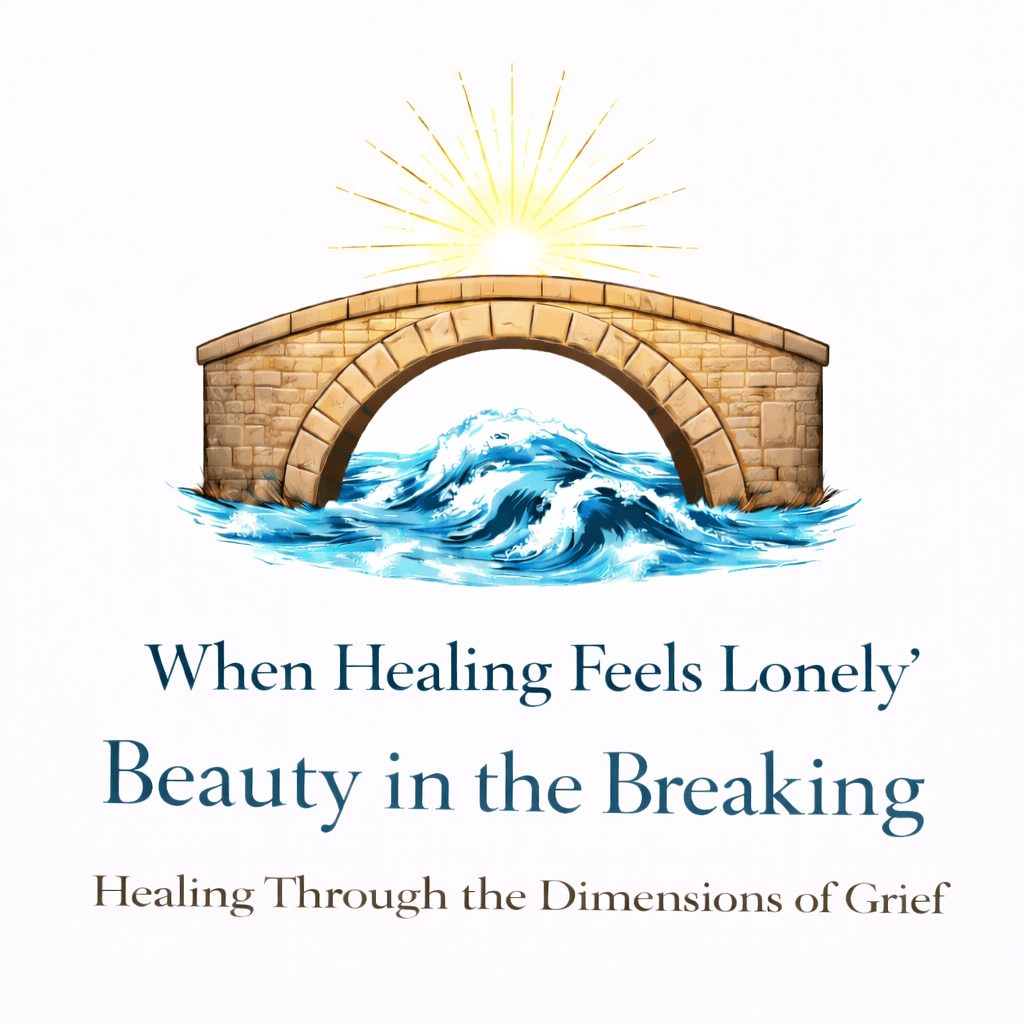

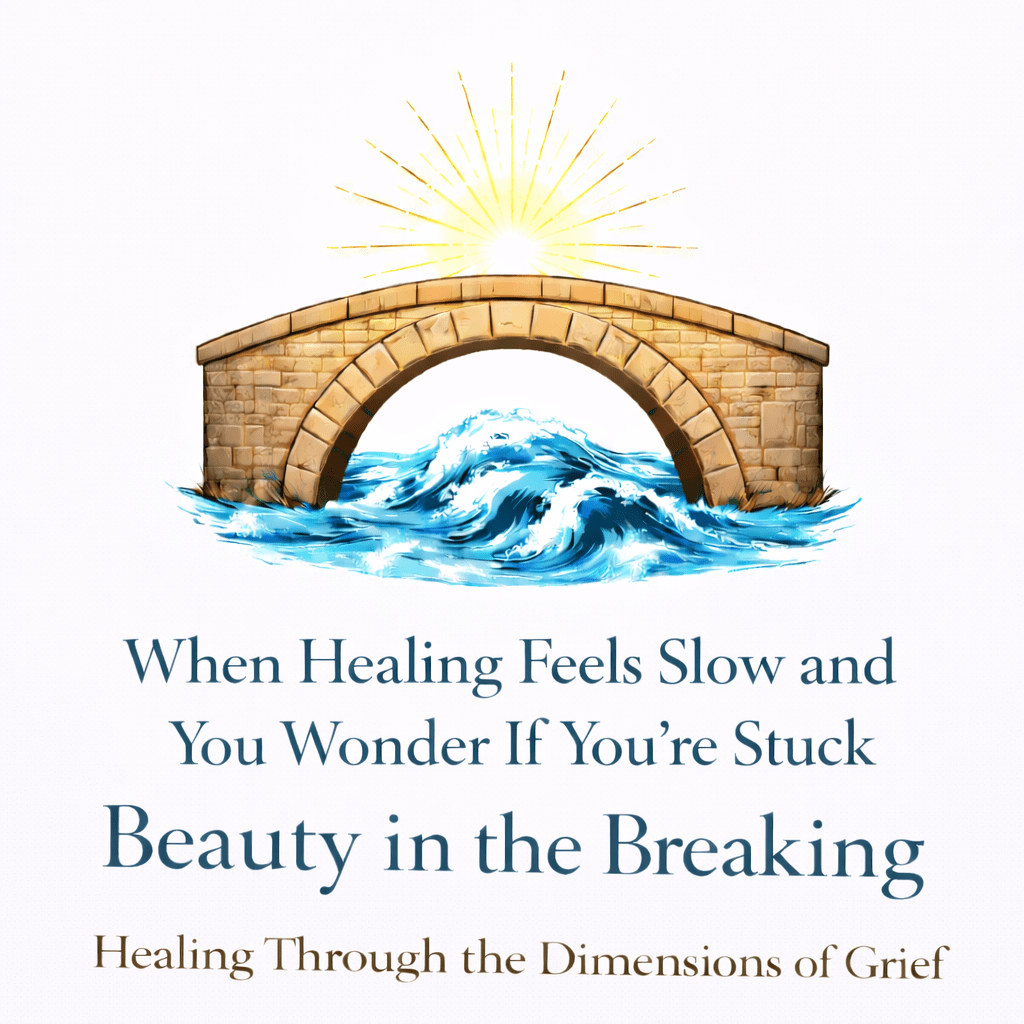



































 Next Level